








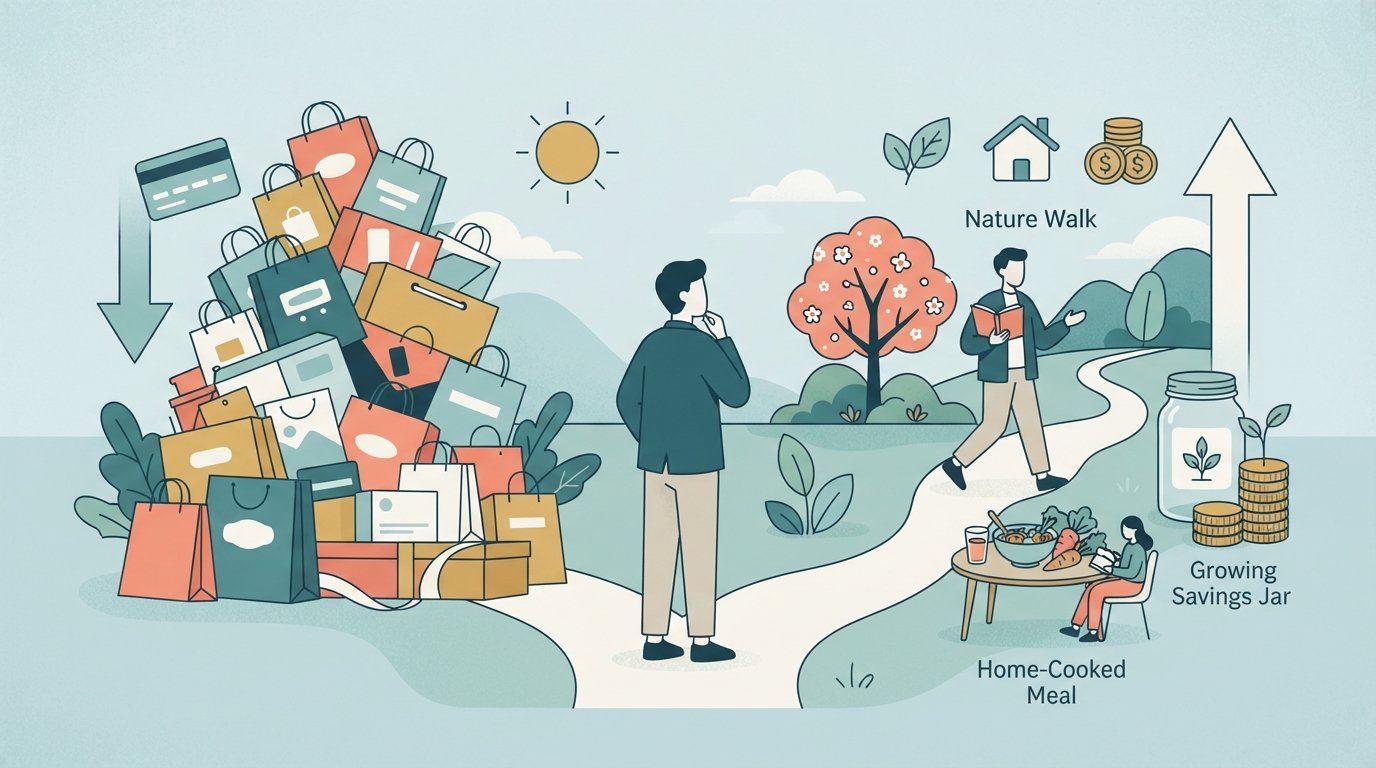
We live in a culture that constantly tells us buying more will make us happier. New clothes, new gadgets, new cars, new experiences — the message is everywhere, repeated thousands of times per day through ads, social media, and even the people around us.
But for many people, the opposite turns out to be true. More spending often brings more stress, more debt, more clutter, and a persistent feeling of not having enough — no matter how much they accumulate. The pursuit of more can become the very thing that prevents satisfaction.
Anti-consumerism and money is not about rejecting all spending or living in deprivation. It is about questioning the assumption that buying more equals living better, and choosing to spend in a way that genuinely serves your life. For many people, spending less to live more is not a sacrifice — it is a path to greater happiness and financial freedom at the same time.
This guide explores how mindful spending habits can improve both your finances and your wellbeing, why the constant cycle of consumption often reduces happiness, and how to step off the treadmill without feeling like you are missing out.
If you are working toward financial independence, this is the mindset that makes the math sustainable. Start with our pillar guide on financial independence for beginners for the full framework.
What Anti-Consumerism Actually Means
Anti-consumerism is often misunderstood as hating shopping, rejecting modern life, or refusing to buy anything. None of those are accurate.
Mindful Consumption, Not No Consumption
Anti-consumerism does not mean zero spending. It means spending with intention — buying what genuinely adds value and questioning the rest. An anti-consumerist still buys food, clothing, tools, and experiences. The difference is that each purchase is a deliberate choice rather than a reflex.
Questioning the Default of More
Consumerism assumes that more is always better — more stuff, more options, more upgrades. Anti-consumerism questions that default. It asks whether each addition actually improves life or simply adds cost, clutter, and obligation. Often, the answer is that less would have been better.
A Response to Overconsumption, Not to All Commerce
There is nothing wrong with buying things you need or even things you enjoy. Anti-consumerism is a response to the cultural pressure to overconsume — to buy things we do not need, with money we do not have, to impress people we do not know. It is a pushback against excess, not against exchange.
Why More Spending Often Means Less Happiness
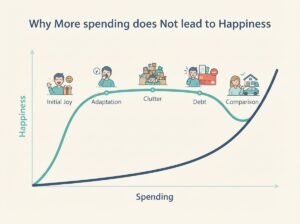
The idea that buying more makes us happier feels intuitive, but the evidence points in a different direction. Several well-documented patterns explain why.
Hedonic Adaptation
When you buy something new, it brings a spike of happiness — for a short time. Then you adapt. The new car becomes just your car. The new phone becomes just your phone. The excitement fades, and you return to your baseline level of happiness, often within weeks. To feel the same spike again, you need to buy something else — a cycle that drives endless consumption without lasting satisfaction.
The Cost of Maintaining More
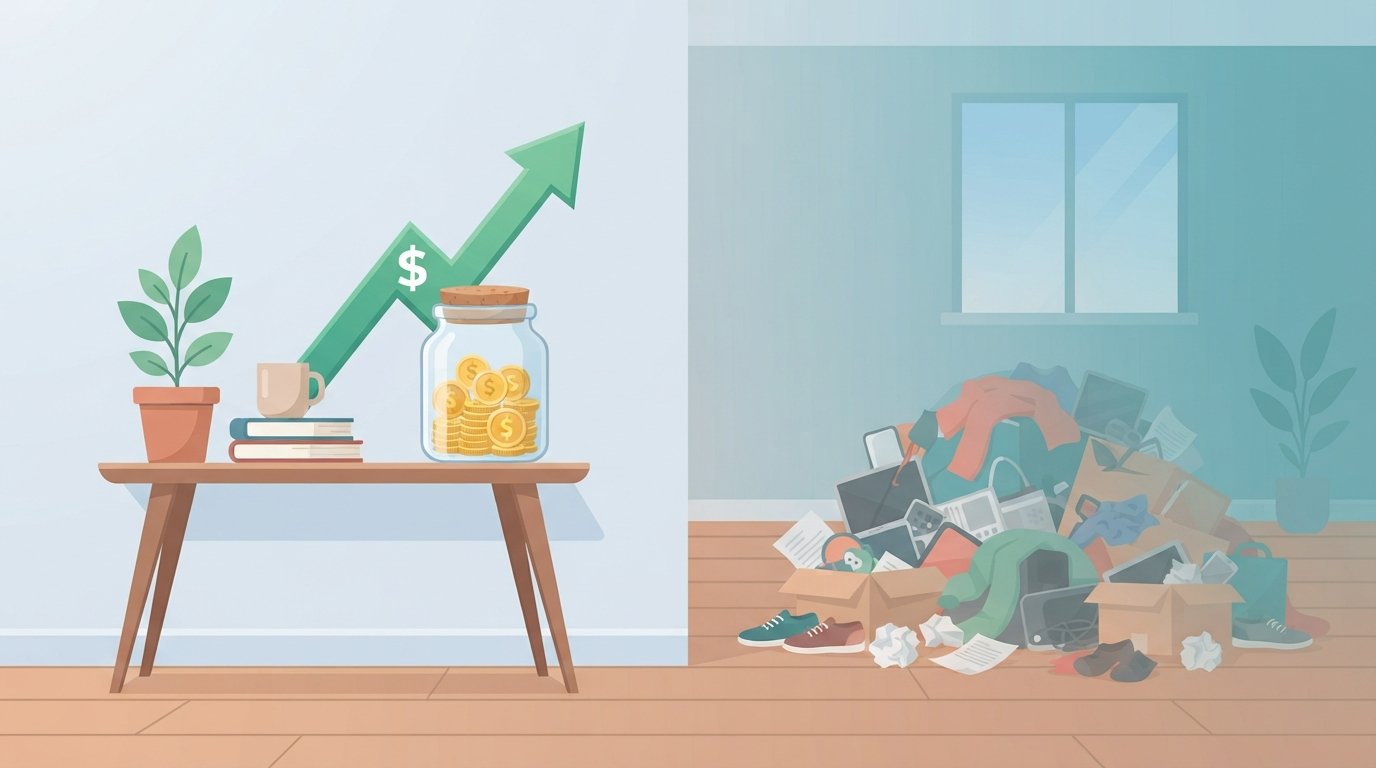
More possessions mean more maintenance, more cleaning, more repairs, more insurance, and more mental energy managing it all. The initial pleasure of buying is followed by years of upkeep. Many people find that the things they own end up owning them — demanding time and money long after the purchase joy has faded.
Debt and Financial Stress
Spending beyond your means creates debt, and debt creates stress that overshadows any pleasure the purchases provided. The temporary high of buying becomes the long-term burden of paying — often with interest that makes the items cost far more than their sticker price. Financial stress is one of the most consistent negative influences on happiness.
Comparison and the Hedonic Treadmill
Consumerism thrives on comparison. You see what others have — or appear to have — and feel that your own life is lacking. So you buy more. But the comparison never ends, because there is always someone with more. This hedonic treadmill keeps people chasing a satisfaction that never arrives, because the target keeps moving.
Time Lost to Earning and Managing
Every dollar spent is a dollar that had to be earned — and earning takes time. The more you spend, the more you have to work to sustain that spending. For many people, the time lost to earning money for purchases they did not truly need is a greater cost than the money itself.
Mindful Spending Habits: An Alternative to Consumerism
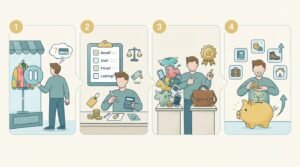
Mindful spending is the practical alternative to consumerism. It is not about spending nothing — it is about spending deliberately.
Pause Before Every Non-Essential Purchase
Before buying something non-essential, pause. Wait 24 hours for small purchases, 30 days for larger ones. This single habit breaks the cycle of impulse buying and gives your rational mind time to catch up with your emotional desire. See our guide on why impulse spending happens for the psychology behind these triggers and more strategies to manage them.
Ask: Does This Add Real Value?
For each potential purchase, ask whether it adds genuine, lasting value to your life. Will you still value it in a month? A year? Or is it a momentary desire driven by emotion, advertising, or comparison? Be honest — most impulse purchases fail this test.
Calculate the Time Cost
Translate the price into hours of work. If you earn $20 per hour, a $200 item costs you ten hours of your life. Is the item worth ten hours? This reframing — from money to time — often changes the answer more than any budget spreadsheet can.
Buy for Durability and Utility
When you do buy, choose items that last and serve a real purpose. A durable, well-made item that you use for years is better for both your wallet and your happiness than several cheap items that break and need replacing. This principle connects directly to our guide on minimalism and money, where owning fewer, better things leads to both lower costs and higher satisfaction.
Spend on Experiences Over Things
Research consistently shows that experiences produce more lasting happiness than material possessions. A trip, a class, a meal with friends, a family activity — these create memories that do not fade the way the novelty of a new gadget does. Directing more of your discretionary budget toward experiences and less toward stuff is one of the most reliable ways to spend less and enjoy life more.
Reduce Exposure to Triggers
Unsubscribe from promotional emails. Unfollow accounts that make you feel you need to buy. Avoid browsing online stores when you are bored. Reducing your exposure to consumption triggers reduces the urge to consume — not through willpower, but by removing the stimulus.
The Financial Impact of Anti-Consumerism
The happiness benefits of anti-consumerism are significant, but the financial benefits are just as powerful. Here is what changes when you spend more intentionally.
| Category | Consumerist Pattern | Mindful Spending Pattern | Annual Savings Potential |
|---|---|---|---|
| Clothing | Trend-driven, frequent purchases | Durable, versatile, fewer pieces | $500–$2,000 |
| Technology | Upgrading every cycle | Keeping devices until they no longer work | $300–$1,000 |
| Home decor | Constant refreshing and redecorating | Keeping what works, changing rarely | $200–$800 |
| Subscriptions | Multiple services, rarely used | A few services you actually use | $200–$600 |
| Dining out | Frequent convenience eating | Planned, meaningful meals out | $500–$2,000 |
| Gifts | Expensive, numerous | Thoughtful, fewer, experiences | $100–$500 |
The savings are illustrative, but the pattern is real: across nearly every discretionary category, mindful spending costs less without reducing genuine quality of life.
The Savings Accelerate Financial Independence
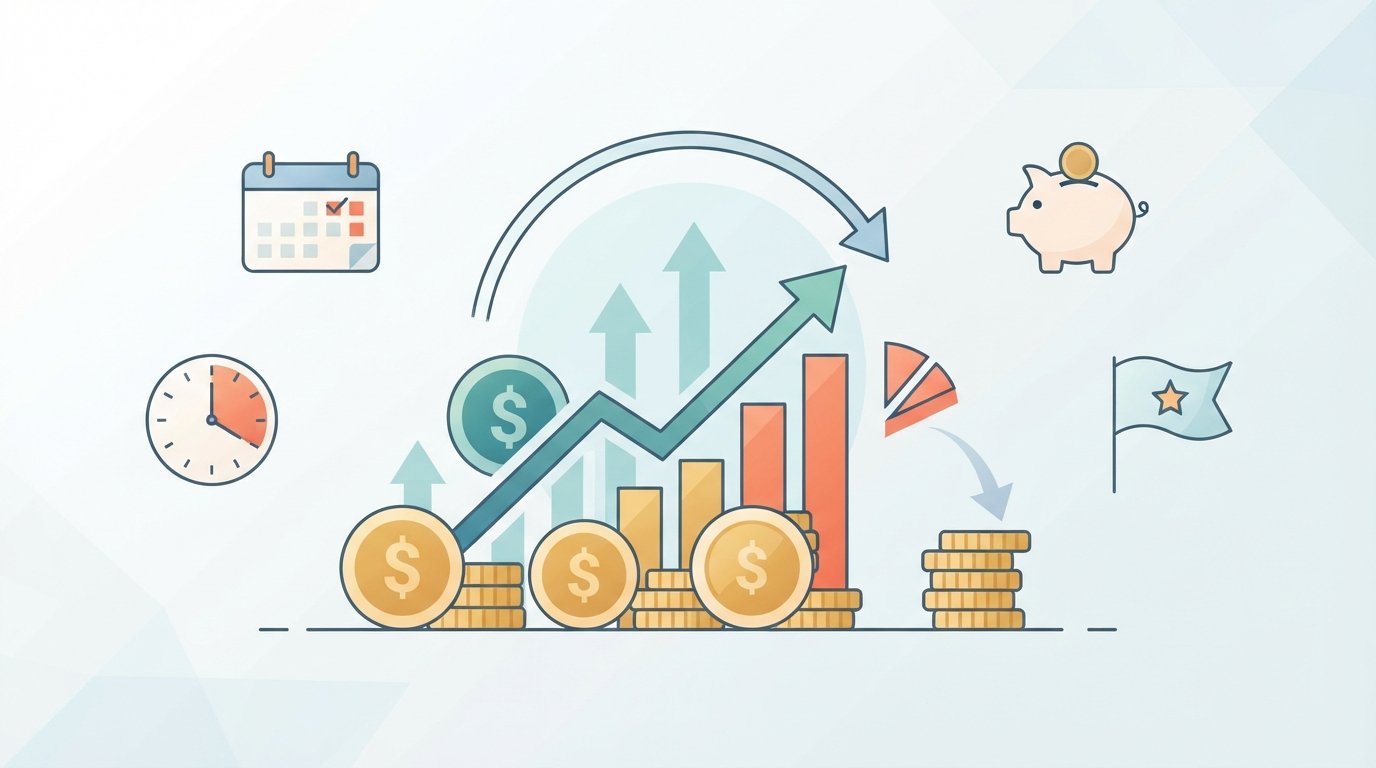
Every dollar not spent on consumer goods is a dollar available for savings, debt reduction, or investment. For someone pursuing FIRE, anti-consumerism is not just a lifestyle choice — it is the mechanism that funds the goal. Lower spending means a higher savings rate and a lower target portfolio, both of which shorten the path to independence.
Less Debt Means Less Stress
Mindful spending keeps you out of debt, and staying out of debt removes one of the most consistent sources of financial anxiety. The peace of mind that comes from not owing money is, for many people, a greater contributor to happiness than anything they could have bought with that debt.
How to Shift Away from Consumerism Without Feeling Deprived
The fear that spending less means living less is the biggest barrier to anti-consumerism. Here is how to make the shift feel like a gain, not a loss.
Focus on What You Gain, Not What You Give Up
When you stop buying things you do not need, you gain money, time, space, and mental clarity. Frame the change around these gains rather than around what you are no longer buying. The freedom is the reward — the stuff you gave up was never making you happy anyway.
Find Free and Low-Cost Joys
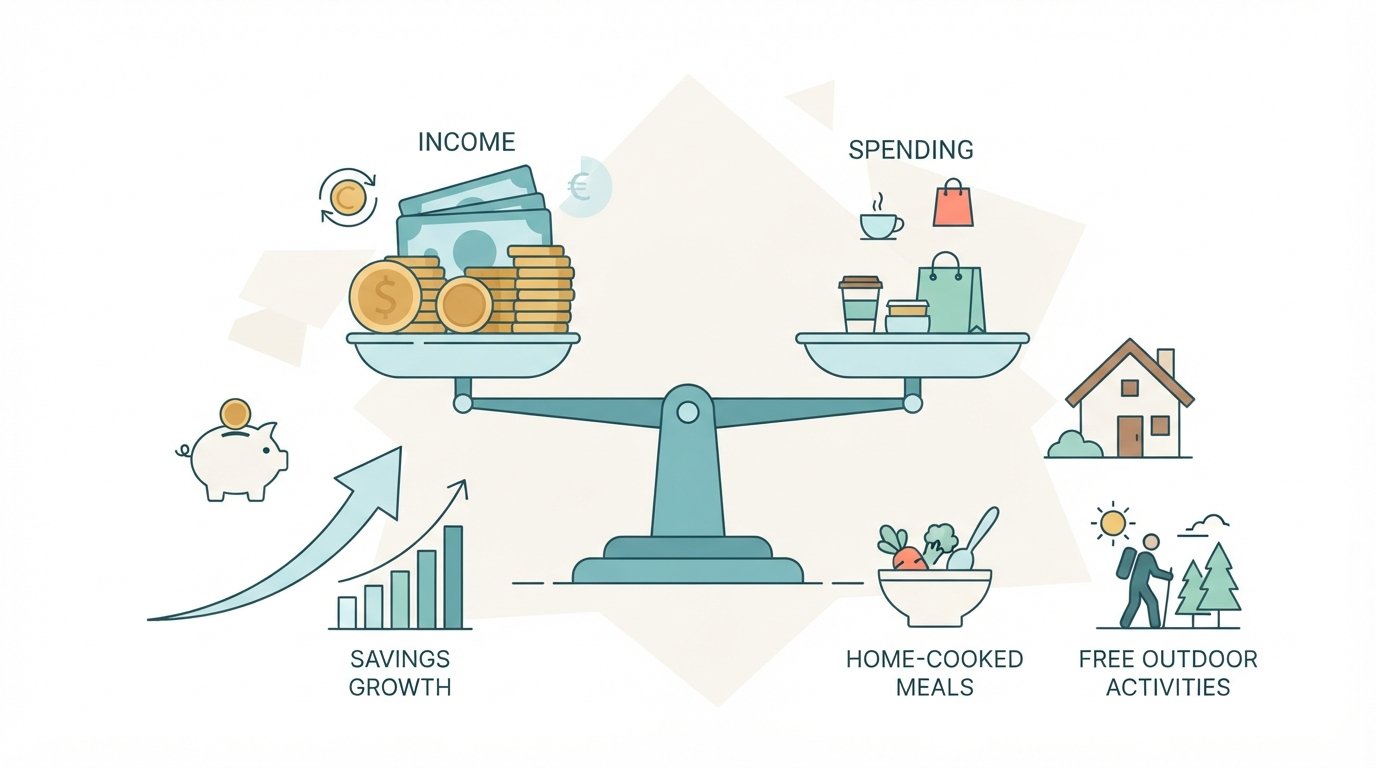
Many of the most satisfying activities cost little or nothing: walks, reading, cooking, conversation, hobbies, time in nature, community events. Consumerism convinces us that enjoyment requires spending, but the evidence shows otherwise. Rebuilding your sense of enjoyment around low-cost activities breaks the spending-happiness link.
Build a Community That Values Experiences
The people around you shape your spending. If your social circle revolves around shopping, dining out, and comparing purchases, you will feel pressure to keep up. If your community values shared experiences, creativity, and connection, spending less feels natural. Seek out people whose values align with a life of more meaning and less consumption.
Redefine Success
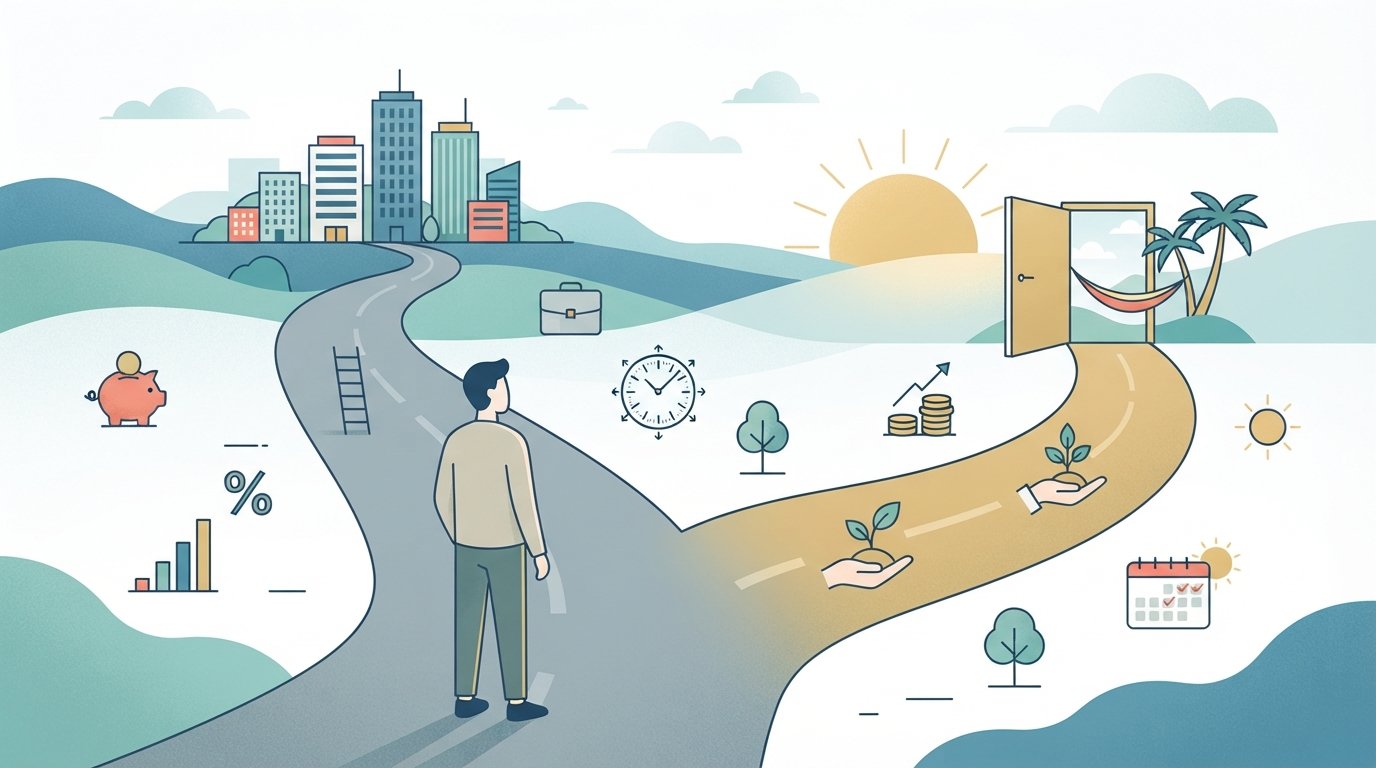
Consumerism equates success with acquisition — a big house, a new car, the latest device. Anti-consumerism redefines success as freedom, time, relationships, and peace of mind. When your definition of success shifts, the things consumerism pushes lose their appeal because they no longer represent progress to you.
Track What You Saved, Not Just What You Spent
Each month, note how much you saved by not buying the things you would have bought on impulse. Seeing the accumulated savings makes the benefit tangible and reinforces the habit.
Real-World Example: One Person’s Shift from Consumerism to Mindful Spending
Consider a 30-year-old who typically spent impulsively on clothing, gadgets, and dining out.
Before — Consumerist pattern:
- Clothing: $200 per month on trend-driven pieces
- Technology: $1,200 per year on upgrades
- Dining out: $400 per month on convenience meals
- Subscriptions: $90 per month across multiple services
- Total annual discretionary spending: roughly $11,280
After — Mindful spending pattern:
- Clothing: $50 per month on durable, versatile pieces
- Technology: kept existing devices, $0 for the year
- Dining out: $150 per month on planned, meaningful meals
- Subscriptions: cut to two valued services, $25 per month
- Total annual discretionary spending: roughly $2,700
Annual savings: $8,580 — redirected to an emergency fund, investments, and a travel fund for experiences they genuinely value.
The shift did not reduce their happiness. It increased it. They felt less stress, had more money, enjoyed their meals out more because they were intentional, and replaced browsing-and-buying with walks, reading, and time with friends. The money saved was real. The life gained was real too.
Common Anti-Consumerism Mistakes to Avoid
- Treating it as all-or-nothing: You do not have to stop buying everything. Mindful spending is about intention, not prohibition.
- Moralizing about others’ spending: Anti-consumerism is a personal choice. Judging how others spend creates conflict without benefiting anyone.
- Replacing consumption with a different kind of consumption: Buying “anti-consumerist” branded products or expensive minimalist items is just consumerism with a new label.
- Going too extreme too fast: Cutting all discretionary spending overnight feels like deprivation. Reduce gradually so the change is sustainable.
- Forgetting that some spending is worthwhile: Spending on health, education, meaningful experiences, and quality tools is not consumerism — it is investment in life.
- Not redirecting the savings: Money not spent on stuff needs to be directed intentionally toward goals, or it will drift into other spending.
- Ignoring the emotional roots of consumption: Much overspending is driven by stress, boredom, or comparison. Addressing the root cause is more effective than willpower alone.
- Expecting instant happiness: The benefits of mindful spending build over time, just as the costs of consumerism built over time.
Frequently Asked Questions
What is anti-consumerism?
Anti-consumerism is a mindset and lifestyle that questions the assumption that buying more leads to a better life. It involves spending intentionally on what adds genuine value and reducing consumption driven by habit, advertising, or comparison.
Does anti-consumerism mean I cannot buy anything?
No. Anti-consumerism is not anti-spending — it is anti-overconsumption. It means buying what you need and what genuinely adds value, while questioning purchases that are driven by impulse, status, or social pressure.
How does spending less make you happier?
Spending less reduces financial stress, debt, and clutter. It frees up money and time for things that produce lasting happiness — like experiences, relationships, and financial freedom. Research consistently shows that experiences bring more lasting satisfaction than material purchases.
What are mindful spending habits?
Mindful spending habits include pausing before non-essential purchases, evaluating whether a purchase adds real value, calculating the time cost of an item, buying for durability, spending on experiences over things, and reducing exposure to consumption triggers like promotional emails.
Is anti-consumerism the same as minimalism?
They are related but not identical. Minimalism focuses on owning fewer things. Anti-consumerism focuses on questioning the cultural pressure to consume. Both lead to spending less and valuing more, and they work powerfully together. See our guide on minimalism and money for the ownership side of the same idea.
How do I stop impulse buying?
Start by identifying your triggers — stress, boredom, comparison, or exposure to advertising. Then build friction into purchases: wait 24 hours for small buys and 30 days for large ones, unsubscribe from promotional emails, and avoid browsing stores when emotional. See our guide on why impulse spending happens for a deeper look at the psychology and more strategies.
Can anti-consumerism help me reach financial independence?
Yes — dramatically. Lower spending increases your savings rate and reduces the portfolio size you need for financial independence. Anti-consumerism is one of the most powerful lifestyle levers in the FIRE framework. See our guide on financial independence for beginners for how this fits together.
Will I feel deprived if I spend less?
Not if you do it mindfully. Deprivation comes from cutting things you value. Mindful spending keeps what matters and cuts what does not, so the change feels like gaining freedom and clarity rather than losing enjoyment. Focusing on free and low-cost joys also helps rebuild the connection between happiness and spending.
Key Takeaways
- Anti-consumerism is not about rejecting all spending — it is about spending intentionally and questioning the default of more.
- More spending often means less happiness due to hedonic adaptation, maintenance costs, debt stress, and endless comparison.
- Mindful spending habits — pausing, evaluating value, calculating time cost, buying for durability — break the consumption cycle.
- Experiences produce more lasting happiness than material possessions; direct discretionary spending accordingly.
- The financial impact is significant: lower spending across discretionary categories can save thousands per year.
- Those savings accelerate financial independence by raising your savings rate and lowering your target portfolio.
- Make the shift feel like a gain by focusing on freedom, time, and low-cost joys rather than on what you gave up.
- Redefine success around freedom and relationships rather than around acquisition and ownership.
- Anti-consumerism and minimalism are partners — both lead to owning less, spending less, and valuing more.
To continue exploring the lifestyle behind financial freedom, read our guide on minimalism and money for how owning less saves more, and our pillar guide on financial independence for beginners for the full FIRE framework. For the psychology behind why we overspend, see our guide on why impulse spending happens.
Spending less does not mean living less. When you stop buying what you do not need, you gain the money, time, and freedom to spend on what actually matters — and that is where real happiness lives.
This article is for informational purposes only and is not financial advice. Lifestyle and spending choices vary by individual and household.
One thought on “Anti-Consumerism: How Spending Less Can Make You Happier”