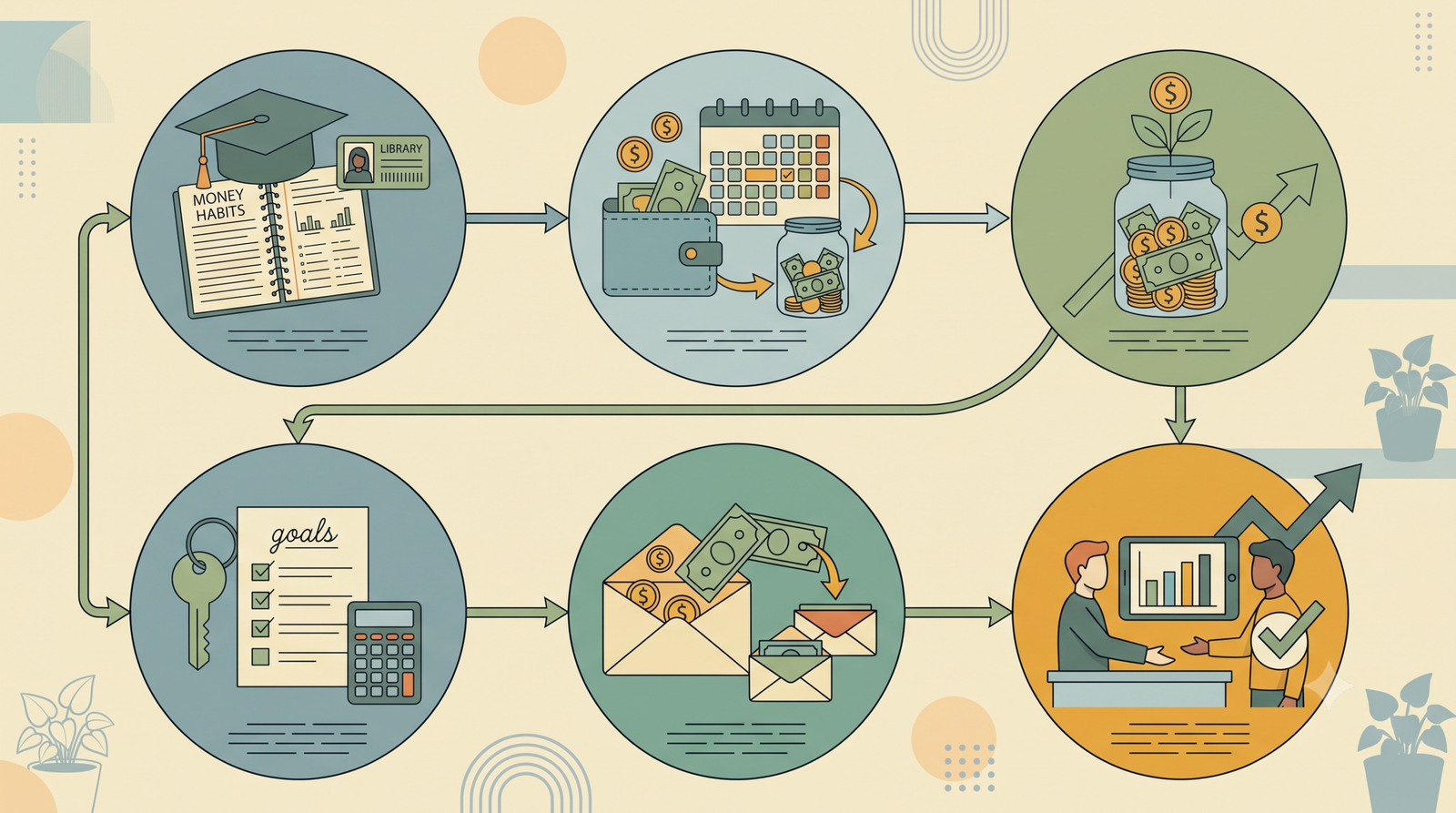









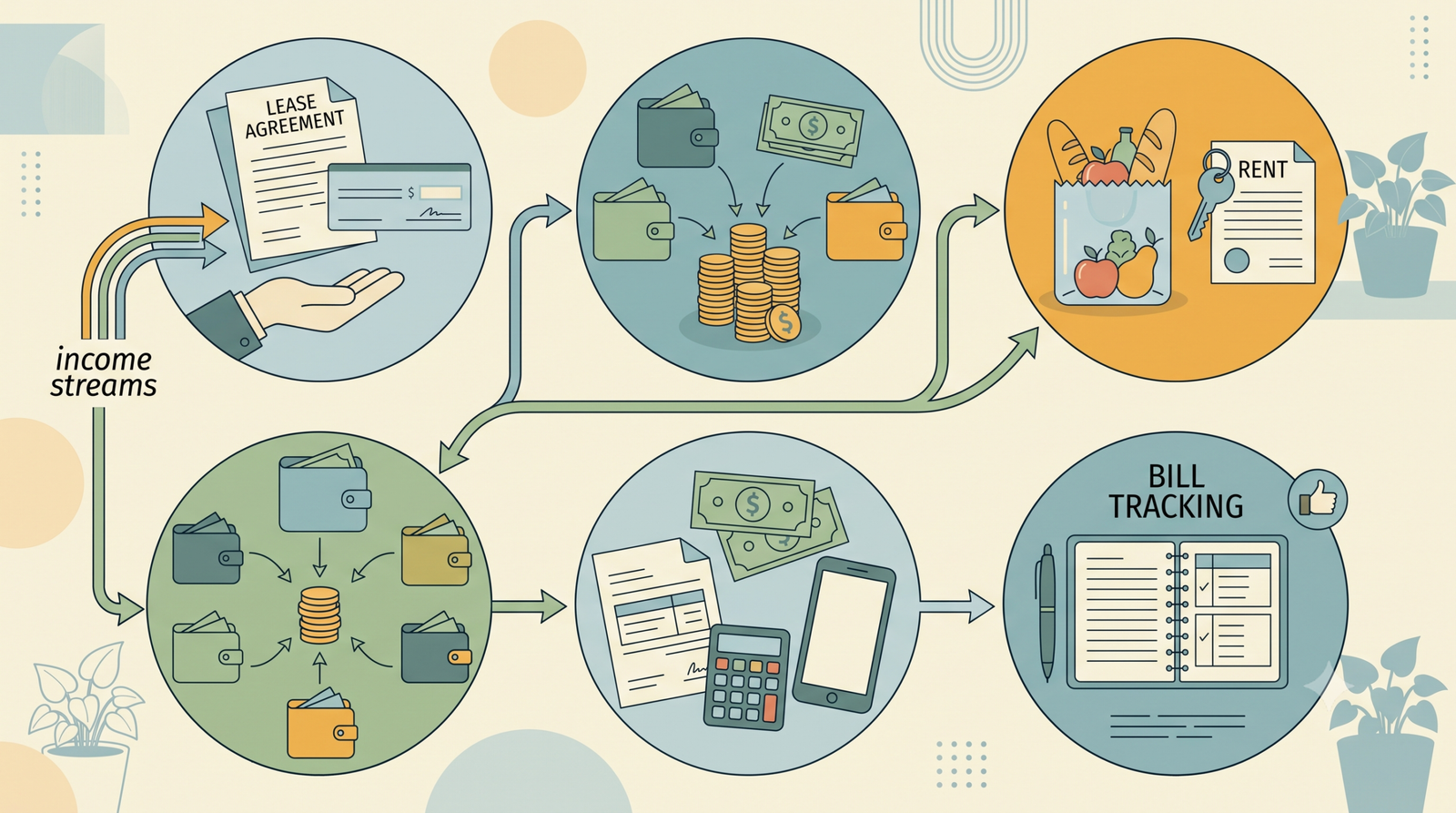
Sharing a home with roommates can reduce housing costs, but it also creates new financial responsibilities. Rent, electricity, internet, cleaning supplies, groceries, and household repairs all need to be paid for, and disagreements can happen when the arrangement is unclear.
Many roommate conflicts are not caused by bad intentions. They happen because people make different assumptions:
- One roommate thinks utilities are split equally
- Another believes bills should be divided by usage
- Someone pays for shared supplies but does not request reimbursement
- A payment deadline is forgotten
- One person uses much more electricity or internet
- A roommate moves in or out during the billing period
- Shared groceries become difficult to track
- Different rooms have different sizes or features
The solution is to create a system before problems appear. A fair system should be clear, easy to track, and appropriate for the household’s actual arrangement.
This guide explains how to split bills with roommates, including rent, utilities, groceries, internet, household supplies, deposits, repairs, and shared services. It also covers practical tracking methods, different ways to divide rent, and what to do when someone pays late.
If you are a student or part-time worker managing limited income, the advice in our personal finance guide for students and budgeting on a small income article can help you plan your share of household costs.
Why Roommate Finances Become Complicated
Roommate arrangements often combine people with different:
- Incomes
- Schedules
- Work locations
- Room sizes
- Spending habits
- Food preferences
- Cleaning standards
- Financial priorities
- Approaches to communication
One roommate may work from home and use heating, cooling, electricity, and internet throughout the day. Another may be away most of the week. One person may cook every evening while another eats outside the home.
An equal split is easy, but equal does not always mean fair.
At the same time, calculating every expense down to the smallest detail can create unnecessary stress. The best system balances fairness with simplicity.
The goal is not to make every roommate spend exactly the same amount on every household resource. The goal is to agree on a method that feels reasonable, can be followed consistently, and avoids repeated arguments.
Decide Which Costs Are Shared
Before discussing percentages or payment apps, make a complete list of household expenses.
Usually Shared Expenses
These may include:
- Rent
- Electricity
- Water
- Gas
- Internet
- Shared cleaning supplies
- Basic household items
- Maintenance costs
- Shared furniture
- Trash or building fees
- Common-area services
Usually Personal Expenses
These typically include:
- Personal phone bills
- Individual meals
- Clothing
- Personal toiletries
- Personal subscriptions
- Individual transportation
- Personal debt payments
- Private medical expenses
- Personal entertainment
Expenses That Need an Agreement
Some categories can be shared or personal depending on the household.
Examples include:
- Groceries
- Streaming services
- Laundry products
- Shared appliances
- Parking
- Air conditioning
- Cleaning services
- Pet expenses
- Household décor
- Guests’ costs
Do not assume that a product is shared simply because it sits in a common area. Ask everyone before adding it to shared expenses.
Set the Rules Before Moving In
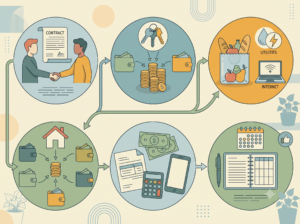
A short written agreement can prevent many problems.
Discuss:
- How rent will be divided
- When each person pays
- How utility bills will be shared
- Whether groceries are individual or shared
- Which household supplies are common
- How repairs will be handled
- What happens if someone has a guest
- How shared subscriptions will be managed
- What happens when someone moves out
- How deposits and final bills will be handled
You do not need a complicated legal document for ordinary roommate arrangements, but important decisions should not exist only as casual verbal promises.
A written message, shared document, or simple spreadsheet can create a useful record.
How to Split Rent Fairly
Rent is usually the largest shared expense, so the method deserves careful attention.
Equal Split
An equal split divides rent by the number of occupants.
For example, if rent is $1,800 and three roommates share the home:
$1,800 ÷ 3 = $600 per person
This method is simple and works well when:
- Bedrooms are similar
- Shared spaces are used equally
- Everyone has similar access to the home
- The household agrees that simplicity matters most
Split Based on Bedroom Size
If bedrooms differ significantly, roommates may assign different amounts.
For example:
- Roommate A: $750 for the largest room
- Roommate B: $600 for the medium room
- Roommate C: $450 for the smallest room
The total should equal the full rent.
This method may be more appropriate when one room has:
- More floor space
- A private bathroom
- A balcony
- Better natural light
- Additional storage
- A private entrance
- A significantly better location within the home
Split Based on Private Features
Sometimes rooms are similar in size but have different features. A private bathroom or parking space may justify a different amount.
Discuss the value openly rather than allowing resentment to build.
Split Based on Income
Income-based rent splits can sometimes help when roommates have very different financial situations. However, this method can feel uncomfortable and may create privacy concerns.
It should be used only if everyone genuinely agrees. A roommate earning more does not automatically owe more unless the arrangement was clearly discussed.
A Combination Method
A practical approach may combine equal and room-based elements.
For example:
- Divide common-area value equally
- Assign a separate premium for the larger bedroom
- Divide utilities using a simple agreed formula
There is no universal perfect formula. The best method is the one everyone understands before signing the lease.
How to Split Utility Bills
Utility bills often change each month, which makes them more difficult than rent.
Common utilities include:
- Electricity
- Water
- Gas
- Heating
- Cooling
- Internet
- Waste services
Equal Split
Divide the bill by the number of roommates.
This is easy and may be reasonable when:
- Everyone has similar schedules
- Usage is broadly similar
- The amount is not large
- No one wants complicated calculations
Split by Roommate-Use Period
If someone moves in or out partway through the billing period, divide the cost based on the number of days each person lived in the home.
For example, if a $120 bill covers 30 days and one roommate lived there for only 15 days, the household may calculate that person’s share based on the agreed daily method.
Make sure everyone agrees on the calculation before using it.
Split Based on Special Usage
A roommate who runs a high-energy device continuously, such as specialized equipment or a home server, may agree to pay an additional amount.
This should be discussed respectfully. Do not accuse someone based only on assumptions.
Seasonal Bills
Electricity and heating may be higher during certain months. Decide whether:
- Everyone pays the actual monthly amount
- The household estimates an average
- A shared reserve fund is created
- Higher users contribute more
An average payment may feel easier, but it needs regular review so the reserve does not become unfair.
How to Handle Internet and Shared Subscriptions
Internet is often a simple equal split because everyone benefits from the connection.
Before agreeing, check:
- Total monthly cost
- Equipment rental
- Installation charges
- Contract terms
- Number of users
- Required speed
- Whether one person pays the account directly
If one roommate pays the provider, set a clear reimbursement date.
For shared entertainment subscriptions, check the provider’s rules before sharing an account. Do not assume that account sharing is permitted simply because it is technically possible.
Also decide whether the service is genuinely shared. If only one person uses it, that person may reasonably pay the full amount.
A household may choose to rotate subscriptions rather than paying for several services at the same time. This can connect with the bill-reduction ideas in how to lower monthly bills.
Should Roommates Share Groceries?
There is no single answer.
Individual Grocery Shopping
Each roommate buys and stores their own food.
This works well when people have:
- Different diets
- Different schedules
- Different budgets
- Different food preferences
- Different cooking habits
The main challenge is agreeing about shared basics such as oil, spices, cleaning products, or paper goods.
Shared Grocery Fund
Everyone contributes a fixed amount to a shared food budget.
This may work when roommates:
- Cook together
- Eat similar meals
- Have similar dietary needs
- Agree on the food quality and brands
- Are comfortable discussing spending
The fund should have clear rules. Decide whether it covers snacks, restaurant meals, special ingredients, and personal drinks.
Hybrid Method
A hybrid approach keeps most groceries personal but shares selected basics.
Shared items may include:
- Cooking oil
- Salt and spices
- Dish soap
- Toilet paper
- Cleaning supplies
- Trash bags
- Coffee
- Common breakfast items
Track shared purchases and settle the amount regularly instead of allowing one person to pay indefinitely.
Create a Roommate Expense Tracker
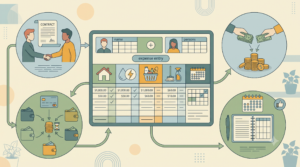
A roommate expense tracker does not need to be complicated.
Useful options include:
- A shared spreadsheet
- A budgeting app
- A group expense application
- A shared notes document
- A written household ledger
- A monthly message summarizing costs
Track:
- Date
- Item or bill
- Total cost
- Person who paid
- People included
- Each person’s share
- Payment status
- Due date
Update the tracker when a payment is made. Do not wait until the end of the year to calculate everything.
A simple spreadsheet may have columns such as:
| Date | Expense | Total | Paid By | Roommate A | Roommate B | Roommate C | Settled? |
|---|---|---|---|---|---|---|---|
| May 1 | Internet | $90 | A | $30 | $30 | $30 | Yes |
| May 4 | Cleaning supplies | $36 | B | $12 | $12 | $12 | No |
| May 8 | Electricity | $150 | C | $50 | $50 | $50 | Yes |
The exact format is less important than keeping it current and visible to everyone.
Set a Payment Schedule
Agree on when shared payments should be made.
Common options include:
- Everyone pays their share before the bill is due
- One person pays and receives reimbursement afterward
- Each roommate takes responsibility for specific bills
- Everyone contributes to a shared household account
- Bills are settled weekly or monthly
The best method depends on trust, income timing, and the number of shared expenses.
One Person Pays Everything
This is simple but can create problems if reimbursements are late or the payer cannot afford to cover the full amount.
Each Roommate Handles a Bill
For example:
- Roommate A pays internet
- Roommate B pays electricity
- Roommate C pays water
This can reduce transfers, but the bills may not be equal. Calculate the difference regularly.
Shared Household Account
Some households create a shared account for rent and utilities. This can simplify payments, but everyone should understand account access, contribution dates, and what money may be used for.
Do not combine finances casually. Make sure the arrangement is appropriate for the level of trust between roommates.
How to Deal With Late Payments
Late payments should be addressed quickly and calmly.
First, check whether the roommate:
- Forgot the date
- Was not sent the bill
- Misunderstood the amount
- Is waiting for a paycheck
- Has a financial problem
- Disagrees with the calculation
A simple reminder may solve the issue.
If late payments continue, create a clearer process:
- Set an earlier payment deadline
- Send bills with screenshots
- Use automatic reminders
- Require payment before the provider’s due date
- Keep a small shared reserve if everyone agrees
- Reconsider whether one person should continue fronting costs
Do not allow resentment to build silently. A small unpaid amount can become a much larger conflict when it remains unresolved for several months.
How to Handle Shared Purchases
Before buying shared items, ask:
- Does everyone agree that it is needed?
- What is the price?
- Who will own it if someone moves out?
- Is it a household need or one person’s preference?
- How will repairs or replacement be handled?
- Can it be bought used?
- What happens if someone does not want to contribute?
Shared purchases might include:
- A vacuum
- Kitchen equipment
- Furniture
- Cleaning tools
- Curtains
- Storage items
- Small appliances
For inexpensive items, an equal split may be easiest. For expensive items, write down ownership and payment details.
Do not make major purchases for shared spaces without discussing them first.
Roommate Guests and Extra Costs
Guests can affect utilities, groceries, cleaning, privacy, and shared space.
Discuss:
- How long guests can stay
- Whether overnight guests are allowed
- Whether guests contribute to food
- Whether additional utility costs matter
- How frequently guests can visit
- Whether everyone needs to agree first
A short visit may not require a financial adjustment. A guest staying for several weeks may reasonably require a conversation.
The goal is not to charge people for every cup of water. It is to prevent one person’s ongoing arrangement from becoming everyone else’s responsibility without agreement.
Moving In or Moving Out Mid-Month
Roommates should agree in advance on how to handle partial months.
Consider:
- Rent
- Utilities
- Internet
- Shared supplies
- Deposits
- Cleaning costs
- Furniture
- Repairs
- Final bills
If a roommate moves out before the end of a billing cycle, calculate the share using the agreed method. Do not assume the remaining roommates should automatically absorb every cost.
For a security deposit, document:
- Original contributions
- Damage responsibility
- Cleaning expectations
- Refund distribution
- Outstanding bills
- Replacement tenants
Take photographs when moving in and moving out. This can help clarify the condition of shared spaces.
Common Roommate Money Mistakes
Assuming Everyone Has the Same Definition of Fair
Equal is not always fair, and fair is not always equal. Discuss room size, usage, income differences, and household expectations.
Waiting Too Long to Discuss Money
Small issues become harder when ignored. Talk about costs before frustration builds.
Mixing Personal and Shared Purchases
Keep personal food, clothing, subscriptions, and services separate unless everyone agrees they are shared.
Letting One Person Front Costs Forever
The roommate who pays first may eventually feel used, even if others intend to reimburse them.
Failing to Track Small Expenses
Cleaning supplies, trash bags, light bulbs, and shared kitchen items can add up.
Making Major Purchases Without Approval
Do not assume that everyone wants expensive furniture, appliances, or decorations.
Using Vague Payment Dates
“Pay me later” creates confusion. Use a specific date.
Ignoring Unequal Room Features
A private bathroom, parking space, or larger room may justify a different rent arrangement.
Treating a Shared Account Like Personal Money
Only use shared funds for agreed household expenses. Keep personal purchases separate.
Avoiding Difficult Conversations
Clear communication is usually less uncomfortable than a large conflict later.
A Realistic Roommate Bill Example
Three roommates share an apartment with monthly rent of $1,800.
- Roommate A has the largest bedroom and a private bathroom.
- Roommate B has a medium-sized room.
- Roommate C has the smallest room.
They agree to divide rent as follows:
| Roommate | Monthly Rent |
|---|---|
| Roommate A | $750 |
| Roommate B | $600 |
| Roommate C | $450 |
| Total | $1,800 |
Utilities and internet total $240 per month. Because usage is generally similar, they split those equally:
$240 ÷ 3 = $80 per person
They also spend $60 on shared cleaning products and household supplies, divided equally at $20 per person.
Total monthly household contributions are:
| Roommate | Rent | Utilities and Internet | Shared Supplies | Total |
|---|---|---|---|---|
| A | $750 | $80 | $20 | $850 |
| B | $600 | $80 | $20 | $700 |
| C | $450 | $80 | $20 | $550 |
This arrangement is not the only possible solution. Its value is that the roommates discussed the differences before problems appeared and recorded the agreement clearly.
Frequently Asked Questions
What is the fairest way to split rent with roommates?
The fairest method depends on room size, private features, shared space, income, and everyone’s agreement. Equal splitting is simple, while different room sizes may justify different amounts.
Should roommates split utilities equally?
An equal split is often practical when usage is similar. If one person uses significantly more or someone lives in the home for only part of the billing period, a different arrangement may be more appropriate.
Should roommates share groceries?
It depends on food preferences, schedules, budgets, and trust. Individual groceries, shared basics, or a hybrid system can all work if the rules are clear.
How can I track shared roommate expenses?
Use a shared spreadsheet, expense app, notes document, or household ledger. Record the expense, person who paid, each person’s share, and whether the payment has been settled.
What if a roommate keeps paying late?
Send reminders, set an earlier payment deadline, share bills in writing, and discuss the issue directly. If late payments continue, reconsider the payment structure and whether one person should keep covering the full bill.
How do I split bills when someone moves in during the month?
Use an agreed partial-month calculation based on the number of days in the home or another method everyone accepts. Discuss this before the move occurs.
Should roommates have a shared bank account?
Some households use one for rent and utilities, but it is not necessary. If you create one, establish clear contribution dates, spending rules, access, and records. Do not mix personal finances casually.
Who pays for repairs in a shared home?
Responsibility depends on the lease, the cause of the damage, and the agreement among roommates. Normal household maintenance may be shared, while damage caused by one person may be assigned differently.
Key Takeaways
- Discuss shared expenses before moving in or as soon as the household arrangement begins.
- Separate rent, utilities, groceries, personal expenses, and shared household supplies.
- Equal splitting is simple, but different room sizes or private features may justify different rent amounts.
- Create a roommate expense tracker using a spreadsheet, app, or shared document.
- Set specific payment dates and avoid letting one person cover costs indefinitely.
- Discuss guests, shared purchases, repairs, deposits, and move-out costs in advance.
- Keep written records of important agreements.
- Address late payments early and calmly.
- A fair system is one that everyone understands and accepts, not necessarily one that produces identical payments.
- Students can combine this system with personal finance for students and budgeting on a small income.
- Households managing more complex shared expenses can also review household budgeting for families.
Roommate finances do not have to be awkward. Most problems become more manageable when expectations are clear, bills are tracked, and payment dates are agreed upon before money is owed.
The goal is not to calculate every expense perfectly. It is to create a system that feels reasonable, protects relationships, and ensures that everyone contributes fairly to the home they share.
This article is for informational purposes only and is not financial advice.