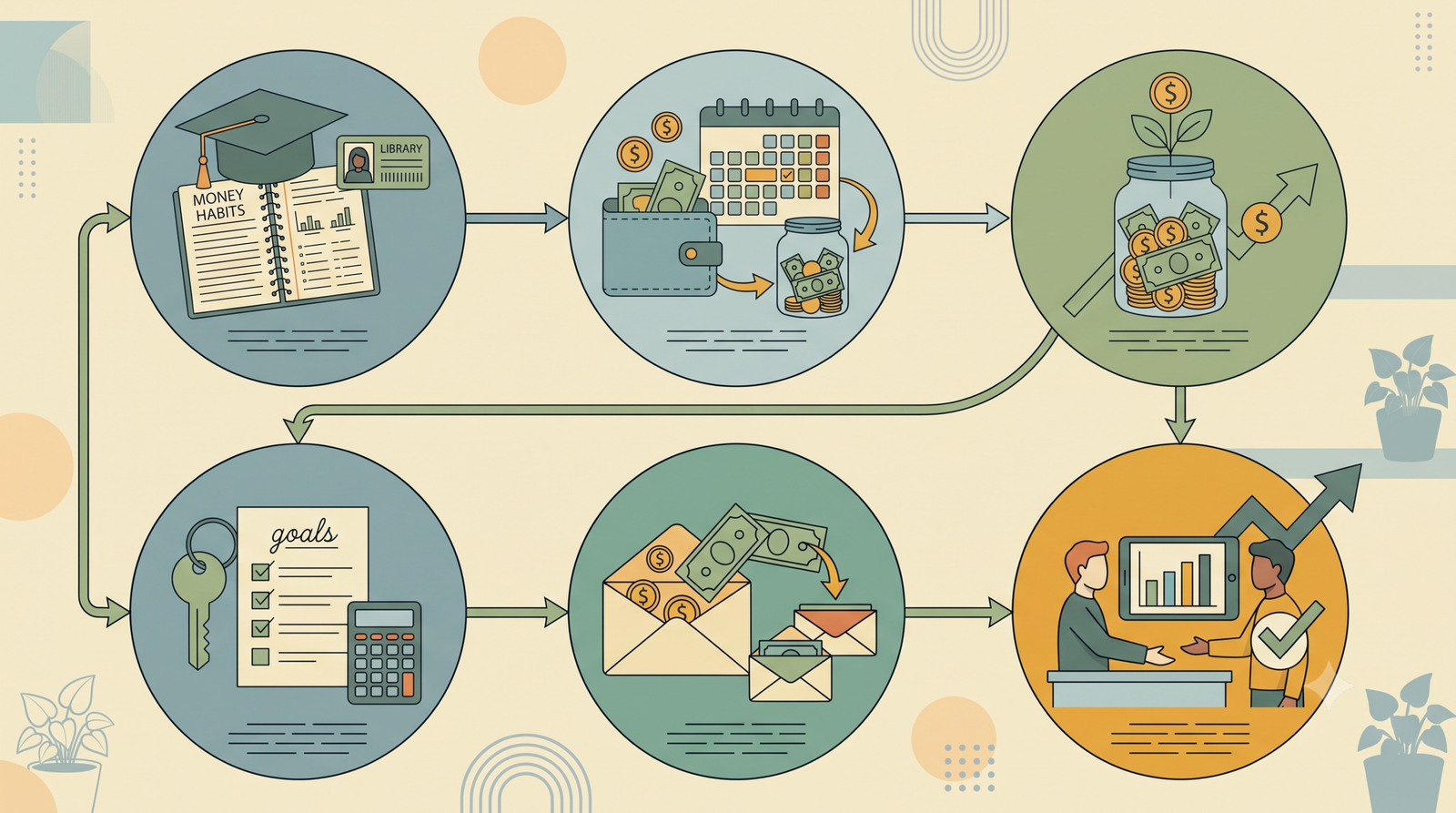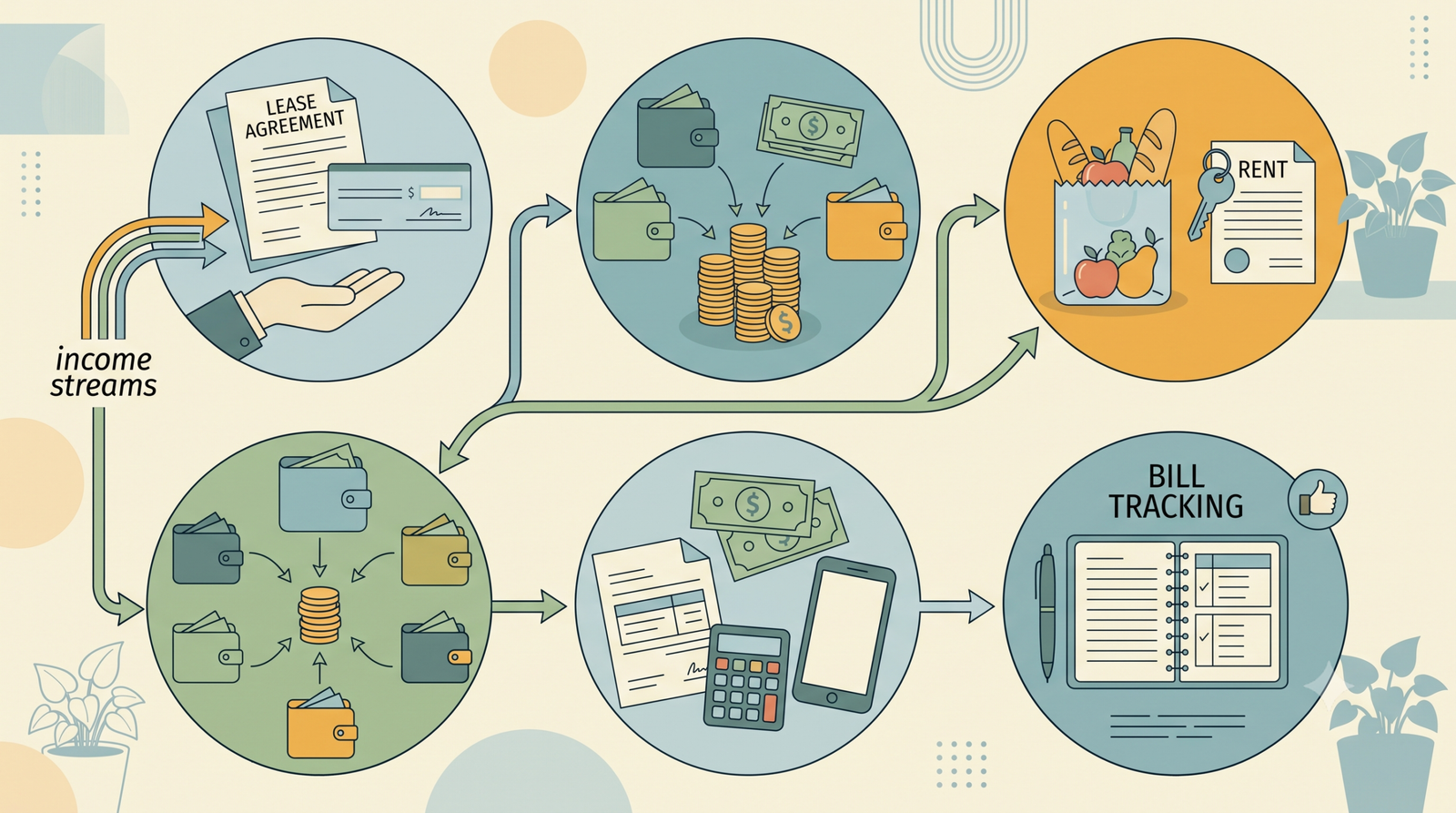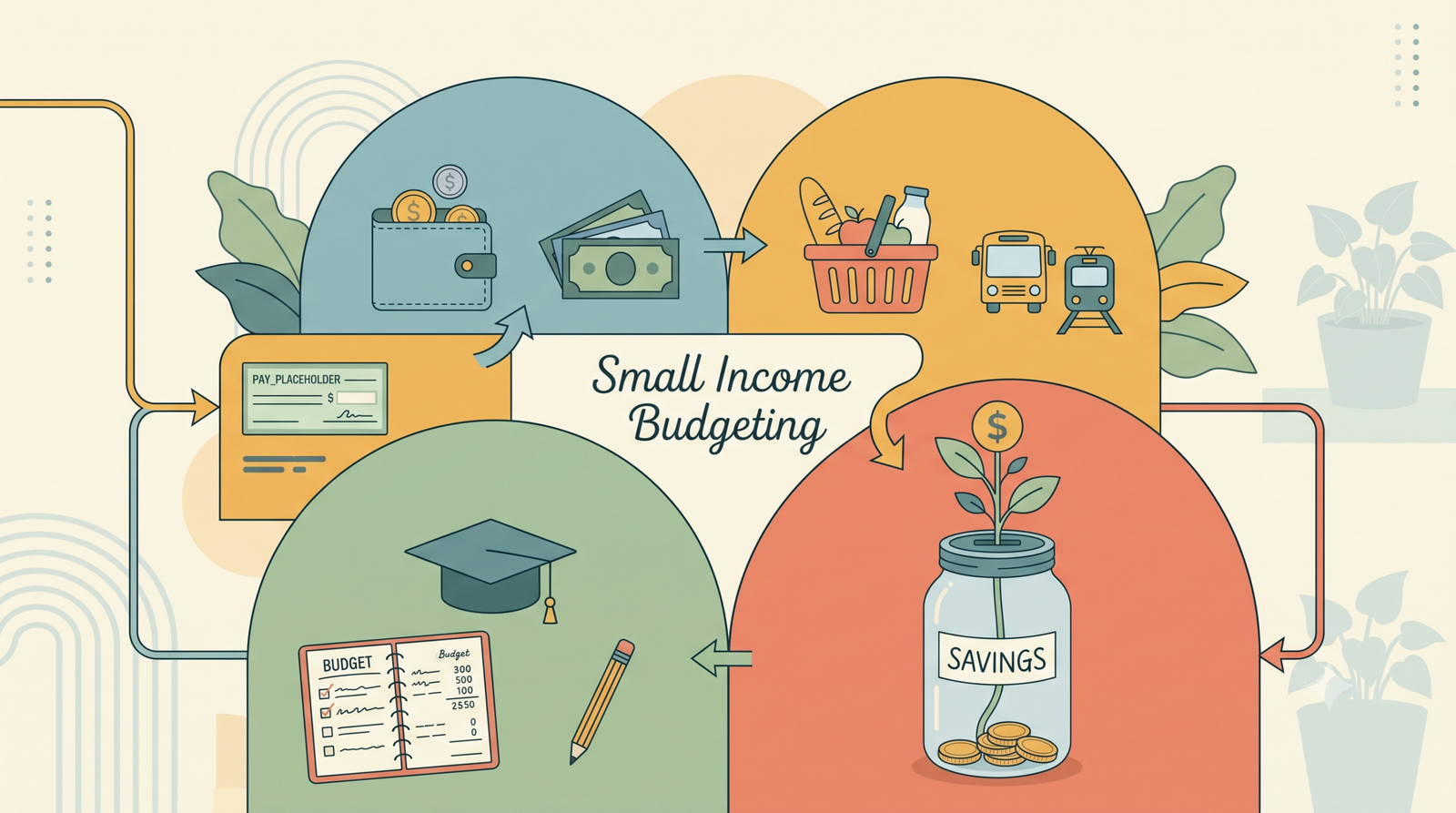







Student life can be exciting, but managing money while studying is not always easy. Many students are dealing with a limited income, irregular work hours, tuition expenses, transportation costs, food, housing, school supplies, and social pressure at the same time.
You may also be managing money independently for the first time. That can make ordinary decisions feel more complicated:
- How much can you spend each week?
- Should you work more hours or focus on studying?
- How can you pay for books and supplies?
- What happens when an unexpected expense appears?
- Is borrowing money unavoidable?
- Should you start saving even if your income is small?
The good news is that you do not need a high income to begin learning personal finance. The most valuable student finance habits involve awareness, planning, and avoiding preventable mistakes.
This guide explains personal finance for students in plain English. You will learn how to create a student budget, manage irregular income, reduce everyday costs, handle shared expenses, avoid common debt problems, and build habits that can continue after graduation.
If you are completely new to money management, our financial literacy 101 guide explains the broader foundations of budgeting, saving, debt, spending, and investing.
Why Personal Finance Matters for Students
Student finances can feel temporary. You may assume that budgeting is unnecessary because your income will increase after graduation.
However, the habits you build while your income is limited can affect your financial choices later. Learning to track expenses, plan for irregular costs, and distinguish needs from wants becomes useful at every income level.
Student money management can help you:
- Avoid running out of money before the end of the month
- Reduce reliance on high-interest debt
- Prepare for school-related expenses
- Build a small emergency buffer
- Understand where your income goes
- Make better housing and transportation choices
- Reduce financial stress
- Develop confidence before entering full-time work
You do not need to manage your money perfectly. The purpose of a student budget is not to remove every enjoyable activity. It is to help you make decisions with the money you actually have.
A realistic plan is usually better than an impressive plan that cannot survive a busy week, an unexpected bill, or a change in work hours.
Understand Your Student Income
Students may receive money from several sources:
- Part-time employment
- Scholarships
- Grants
- Allowances
- Family support
- Freelance work
- Seasonal employment
- Paid internships
- Government assistance
- Student loans
- Savings from previous work
Some of these sources are regular, while others are temporary or unpredictable.
Separate income into three categories:
Reliable Income
This is money you can reasonably expect and plan around.
Examples may include:
- A regular paycheck
- A fixed allowance
- A scheduled scholarship payment
- A stable part-time work schedule
Variable Income
This changes from week to week or month to month.
Examples include:
- Freelance work
- Tips
- Different work hours
- Irregular family support
- Seasonal jobs
For variable income, create your budget using a conservative estimate rather than your best month.
One-Time or Temporary Income
This may include:
- A tax refund
- A bonus
- A one-time grant
- A seasonal job payment
- Money received for a specific purpose
Do not use temporary income to justify permanent expenses. If you receive extra money, consider dividing it among immediate needs, savings, school costs, and debt.
Build a Student Budget That Actually Works
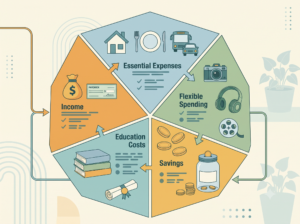
A student budget can be simple. Start with five categories:
- Essential living costs
- Education costs
- Flexible spending
- Savings
- Debt or financial obligations
Essential Living Costs
These may include:
- Rent or housing
- Utilities
- Basic groceries
- Transportation
- Phone
- Medication
- Personal care
- Insurance
- Childcare, if applicable
Education Costs
Include expenses such as:
- Tuition not already covered
- Textbooks
- Course materials
- Printing
- Technology
- Lab fees
- Uniforms
- School transportation
- Required software
Flexible Spending
This may include:
- Eating out
- Coffee
- Entertainment
- Clothing
- Hobbies
- Social activities
- Beauty services
- Convenience purchases
Savings
Even a small amount can be useful. Savings may be assigned to:
- Emergency expenses
- School supplies
- Travel home
- Annual fees
- A laptop replacement
- Moving after graduation
Debt and Financial Obligations
Include:
- Credit card minimum payments
- Student loan payments, if required
- Personal loans
- Family repayment agreements
- Buy-now-pay-later balances
Add the categories together and compare the total with your reliable income.
If expenses are higher than income, you need to adjust something. Options may include reducing flexible spending, changing housing, increasing income, seeking support, or reviewing school-related assistance.
Use a Weekly Spending Limit
Monthly budgets can feel abstract. A weekly spending limit may be easier for students who receive money weekly or who make frequent small purchases.
After accounting for fixed bills, divide the remaining amount into weekly categories.
For example:
- Groceries: $70 per week
- Transportation: $25 per week
- Personal spending: $30 per week
- Social activities: $20 per week
The exact numbers depend on your circumstances. The purpose is to create a visible limit.
A weekly amount can also help prevent a common problem: spending too much during the first week and struggling later.
If your income is irregular, use your lowest expected monthly income as the foundation. Any amount above that can be assigned later to savings, school expenses, or debt.
Track Your Spending for 30 Days
A budget based on guesses is difficult to maintain. Track actual spending for at least one month.
You can use:
- A notes app
- A spreadsheet
- A budgeting app
- A notebook
- Bank statements
- Receipt photographs
Record even small purchases. A student may discover that the main problem is not tuition or rent but repeated expenses such as:
- Convenience snacks
- Ride-hailing
- Coffee
- Delivery fees
- Online shopping
- In-app purchases
- Small social expenses
Tracking is not meant to create guilt. It helps you see patterns.
At the end of the month, categorize the spending and ask:
- Which expenses were essential?
- Which purchases were planned?
- Which purchases were forgotten?
- Which category was higher than expected?
- What expense could be reduced next month?
- What expense was worth keeping?
This process is one of the basic money management skills discussed in financial literacy for beginners.
Reduce Student Expenses Without Making Life Miserable
Plan Affordable Meals
Food is often one of the easiest categories to overspend on.
Try:
- Cooking larger portions
- Preparing simple breakfasts
- Carrying snacks
- Using leftovers
- Sharing ingredients with roommates
- Shopping with a list
- Comparing unit prices
- Keeping emergency meals at home
- Reducing delivery fees
You do not need to cook every meal. Set a realistic balance between meals prepared at home and meals purchased outside.
Use Student Discounts Carefully
Student discounts can be helpful for:
- Transportation
- Software
- Museums
- Entertainment
- Technology
- Restaurants
- Fitness facilities
- Educational services
However, a discount does not make an unnecessary purchase free. Use discounts for items you already planned to buy.
Buy or Rent Used Textbooks
Textbooks and school materials can be expensive, especially when required for only one course.
Before buying new, compare:
- Used copies
- Digital editions
- Library copies
- Rental options
- Older editions
- Shared copies
- Open educational resources
- Department lending programs
Check with your instructor before using an older edition because page numbers, assignments, or required content may differ.
Our detailed guide on how to save money on textbooks covers this topic separately.
Use Campus and Community Resources
Students sometimes pay for services that are already available through their school or community.
Look for:
- Libraries
- Computer labs
- Printing allowances
- Academic support
- Career services
- Health services
- Food assistance
- Free events
- Transportation programs
- Equipment lending
- Counseling services
These resources are part of the support available to students. Using them is not a failure to be independent.
Review Housing Costs Carefully
Housing is often the largest student expense.
Before choosing a place to live, consider the full monthly cost:
- Rent
- Utilities
- Internet
- Transportation
- Deposit
- Furniture
- Laundry
- Parking
- Maintenance
- Commute time
A lower rent may not be cheaper if it creates expensive transportation costs or requires buying furniture and appliances.
If you live with roommates, create a clear system for shared expenses. Our guide on how to split bills with roommates explains ways to divide rent, utilities, groceries, and shared purchases fairly.
Be Careful With Transportation
Consider the total cost of:
- Car payments
- Fuel
- Insurance
- Repairs
- Parking
- Public transit
- Ride-hailing
- Registration
A vehicle may be necessary for work or family responsibilities, but buying a more expensive vehicle can create pressure for years.
If public transportation, cycling, walking, or carpooling is realistic for some trips, using those options occasionally may reduce costs.
Manage Irregular Student Expenses
Students often struggle with expenses that do not happen every month.
Examples include:
- New semester supplies
- Exam fees
- Travel home
- Laptop repairs
- Medical costs
- Clothing for work
- Graduation expenses
- Application fees
- Housing deposits
- Annual software
- Gifts
- Vehicle maintenance
These costs are predictable even if they are not monthly.
Create sinking funds by setting aside a small amount regularly.
For example, if you expect $600 in school-related expenses twice a year, saving $100 per month for six months may be easier than finding $600 suddenly.
A sinking fund is not the same as an emergency fund. A sinking fund is for planned future expenses. An emergency fund is for unexpected needs.
Both can be useful, even if they start with small amounts.
Build a Small Emergency Fund
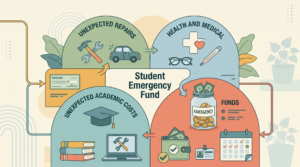
Students may not be able to build several months of savings immediately. Start with a smaller target.
Possible first goals include:
- $50
- $100
- $250
- One week of essential expenses
- The cost of a common repair
- A basic travel-home fund
The amount depends on your circumstances. Even a small buffer can help you avoid borrowing for a minor emergency.
Keep emergency money accessible and separate from everyday spending where possible. The purpose is not to earn the highest possible return. The purpose is to have money available when an unexpected expense appears.
Do not use the emergency fund for routine entertainment or planned shopping. If you use it for a genuine emergency, rebuild it gradually afterward.
Understand Student Debt Before Borrowing
Borrowing can help pay for education, but it should be understood before you accept it.
Before taking on debt, ask:
- How much will I owe?
- What is the interest rate?
- When does repayment begin?
- Is interest added while I study?
- What are the fees?
- What happens if I leave school?
- What payment options exist?
- Is the borrowing for education or everyday lifestyle spending?
Keep records of every loan, including the lender, balance, interest rate, and repayment terms.
Avoid using high-interest credit cards or buy-now-pay-later services for routine spending whenever possible. Small purchases can become difficult when several payment obligations overlap.
If debt already feels overwhelming, do not ignore statements. List the balances and seek help from a qualified, reputable financial counselor or student support service.
Earn More Without Destroying Your Study Schedule
Reducing expenses is only one part of student finance. Income may also need attention.
Possible income sources include:
- Part-time employment
- Campus work
- Tutoring
- Freelancing
- Paid internships
- Seasonal work
- Selling unused items
- Research assistance
- Skill-based services
Consider the effect on your education. A job that increases income but causes missed classes, poor grades, or burnout may not be sustainable.
Look for work that fits your schedule and skills. Keep records of income, taxes where applicable, transportation costs, and time spent.
If income changes from week to week, build your regular budget around the lower amount and assign extra income to savings, school expenses, or debt.
Student Money Habits That Prevent Problems
Automate Small Savings
If possible, schedule a small transfer after receiving income. Even $5 or $10 can establish the habit.
Keep Bill Dates Visible
Use a calendar or reminder system for:
- Rent
- Utilities
- Tuition
- Loan payments
- Subscriptions
- Insurance
- Annual fees
Missed payments can create late fees and stress.
Avoid Lifestyle Inflation
When you receive more income, do not increase every expense immediately. Use part of the increase for savings or debt first.
Separate Needs From Wants
A purchase may feel urgent but still be optional. The framework in needs vs wants can help you decide what should come first.
Delay Major Purchases
Wait before buying expensive electronics, furniture, clothing, or vehicles. Compare options and consider total cost.
Protect Your Personal Information
Be careful with financial scams, fake scholarships, suspicious job offers, and requests for account information. Never share passwords or one-time security codes.
Learn to Read Statements
Understand the difference between:
- Current balance
- Available balance
- Minimum payment
- Interest charge
- Due date
- Fees
- Transaction history
Basic statement awareness can prevent avoidable mistakes.
A Realistic Student Budget Example
Imagine a student receives $1,800 per month from part-time work, family support, and a scholarship allocation.
Their monthly expenses are:
| Category | Monthly Amount |
|---|---|
| Rent and utilities | $700 |
| Groceries | $260 |
| Transportation | $120 |
| Phone | $45 |
| Education supplies | $100 |
| Personal spending | $180 |
| Debt payment | $100 |
| Savings | $100 |
| Miscellaneous | $120 |
| Total | $1,725 |
This leaves approximately $75 of flexibility.
The student could use that amount for:
- A larger emergency fund
- Irregular school expenses
- Extra debt repayment
- A planned social activity
- A future purchase
If income falls to $1,600 in one month, the student should not immediately stop saving or miss essential bills without reviewing the budget. Instead, flexible spending may need to be reduced temporarily, and support or additional work may need to be considered.
The important point is that a budget creates choices before a problem becomes urgent.
Common Personal Finance Mistakes Students Make
Spending Financial Aid or Loans on Nonessential Lifestyle Costs
Borrowed money may feel like income, but it still creates future obligations. Understand the purpose and terms before spending it.
Ignoring Small Purchases
Small purchases matter when they repeat frequently. Track them for one month before deciding whether they are a problem.
Choosing Housing Based Only on Rent
Consider utilities, transport, deposits, furnishing, safety, and commute time.
Relying on Credit for Routine Expenses
Credit can make a limited budget appear larger temporarily. Interest and payment obligations may make future months more difficult.
Waiting Until Graduation to Learn Money Skills
Graduation may bring more income, but it may also bring rent, insurance, taxes, transportation, and debt payments. Learning now provides a useful foundation.
Trying to Fix Everything at Once
Begin with tracking, essential bills, food, and a small savings goal. Build gradually.
Comparing Your Finances With Other Students
Students may have different family support, scholarships, living costs, work schedules, and responsibilities. Compare your current decisions with your own priorities.
Frequently Asked Questions
What is the best first step in personal finance for students?
Track every expense for 30 days. This gives you an honest picture of your income, spending, and financial pressure before you try to make major changes.
How can a college student budget with a small income?
List essential expenses first, calculate your reliable income, set weekly spending limits, plan food, and reduce flexible categories. If income is not enough for basic costs, look for support, additional income, or lower-cost alternatives.
Should students have an emergency fund?
A small emergency fund can be helpful, even if it starts at $25, $50, or $100. The appropriate amount depends on your circumstances and access to other support.
Is it better to save or pay off student debt?
The right balance depends on the interest rate, repayment requirements, emergency savings, and your overall circumstances. Avoid completely ignoring either goal. A small emergency buffer can prevent new debt when unexpected expenses arise.
How can students save money on food?
Plan simple meals, use leftovers, carry snacks, compare grocery prices, reduce delivery fees, cook larger portions, and use student meal resources where available.
Should students use credit cards?
A credit card should be used carefully and only with a clear repayment plan. Carrying a balance can create interest costs and make future budgets more difficult. Learn the interest rate, fees, due date, and payment requirements before using one.
How much should a student save each month?
There is no universal amount. Save what is realistic after essential expenses. Even a small, consistent amount can build the habit and create a modest financial buffer.
How can students manage irregular income?
Build your regular budget using a conservative income estimate. Treat extra income as flexible money for savings, school expenses, debt repayment, or planned costs instead of immediately increasing regular spending.
Key Takeaways
- Personal finance for students begins with understanding income, expenses, and financial obligations.
- Build a simple budget around essential living costs, education, flexible spending, savings, and debt.
- Track your spending for at least 30 days before making major changes.
- Use weekly spending limits to manage food, transportation, and personal expenses.
- Plan for irregular school costs with sinking funds.
- Build a small emergency fund, even if your first goal is modest.
- Understand loan terms and avoid using high-interest debt for routine spending.
- Use student discounts and school resources for planned needs, not unnecessary purchases.
- Consider the full cost of housing, transportation, textbooks, and technology.
- Learn gradually rather than trying to fix every financial issue at once.
- Readers can continue with how to budget on a small income, ways to save money on textbooks, or how to build good money habits before graduation.
- Students sharing housing should also review how to split bills with roommates.
Student life may involve limited money, but it is also an opportunity to develop habits before financial responsibilities become more complicated. You do not need to manage everything perfectly. Start by knowing what comes in, tracking what goes out, and making a clear plan for the expenses that matter most.
A small budget, a modest emergency fund, and careful borrowing decisions can make student life less stressful today and give you a stronger starting point after graduation.
This article is for informational purposes only and is not financial advice.