






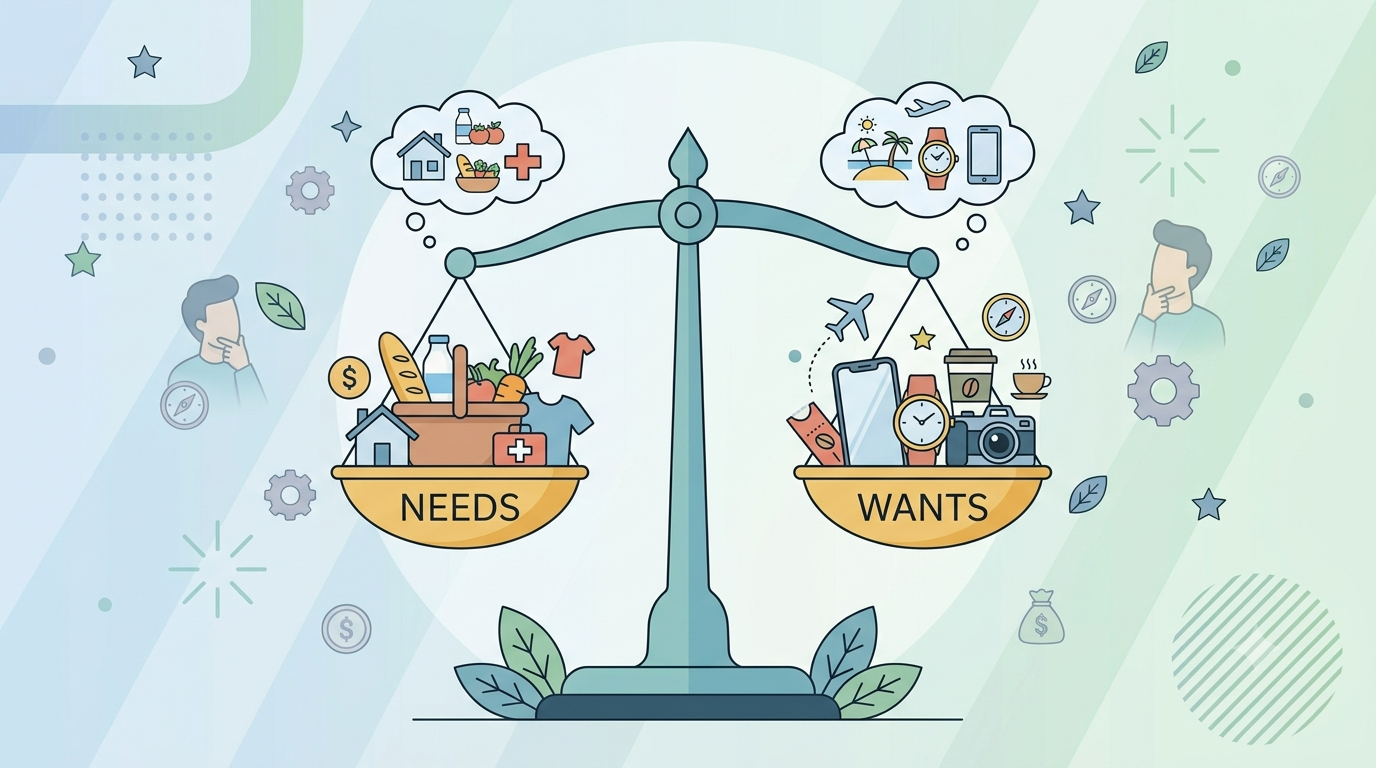
“Needs versus wants” sounds like one of the easiest personal finance concepts to understand. Food is a need. A new pair of shoes is probably a want. Rent is a need. A streaming subscription is a want.
But real life is rarely that simple.
A phone can be a want for one person and an essential work tool for another. A car may be necessary for someone who commutes long distances but unnecessary for someone who works from home. Even groceries can contain both needs and wants in the same shopping cart.
The goal is not to eliminate every want from your life. That would be unrealistic, and it would make budgeting feel like punishment. The goal is to understand your spending priorities clearly enough to decide what deserves your money now, what can wait, and what may not be worth the cost at all.
This guide explains needs vs wants in plain English, shows you how to identify the difference without using overly strict rules, and gives you a practical framework for making better spending decisions. It also connects to the budgeting basics covered in our financial literacy 101 guide, because knowing your priorities is one of the foundations of managing money well.
What Is the Difference Between a Need and a Want?
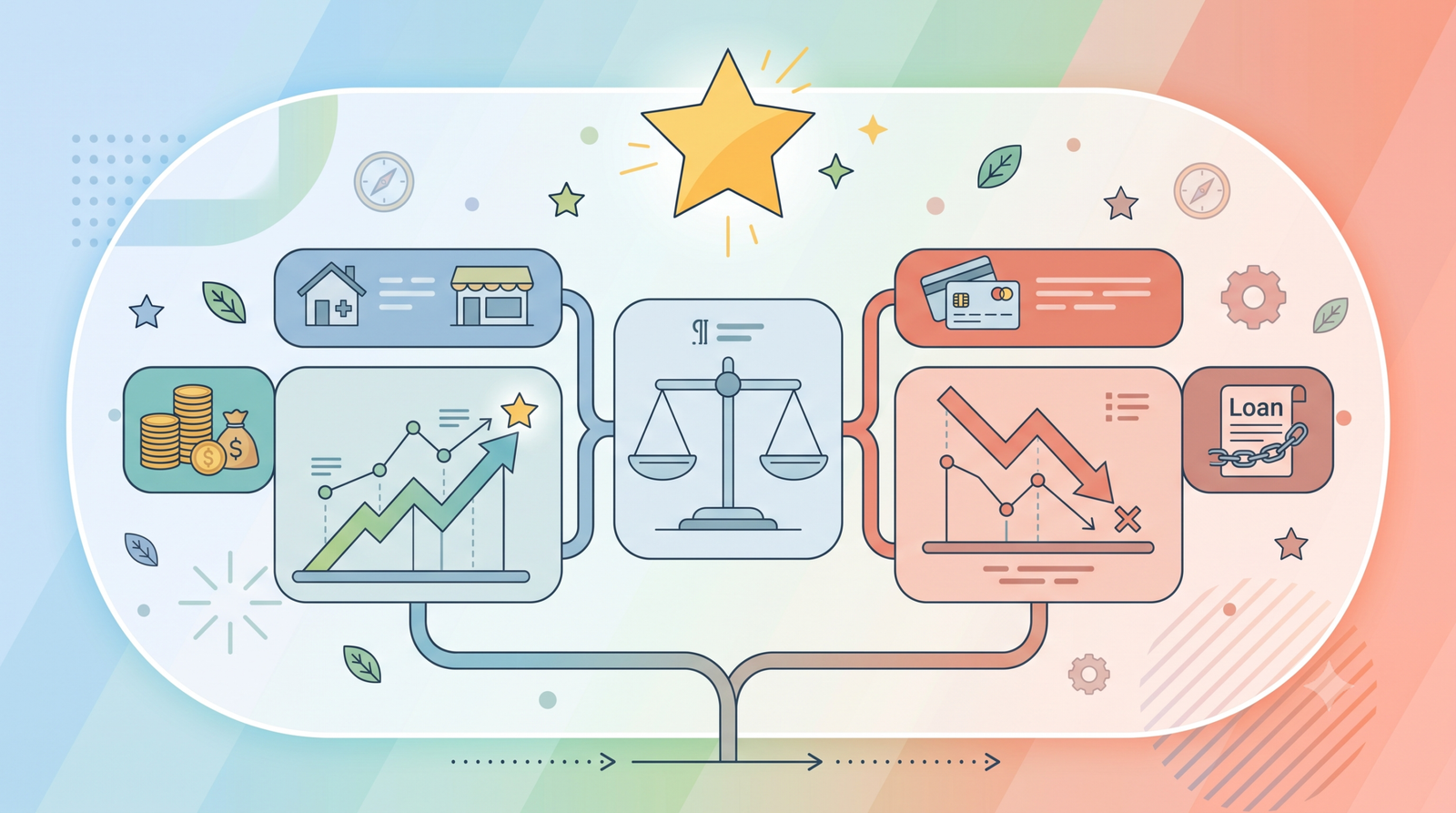
A need is something required for basic health, safety, work, or daily functioning. A want is something that improves comfort, convenience, enjoyment, or status but is not essential for immediate well-being.
That definition is useful, but it is not always absolute. The same purchase can be a need in one situation and a want in another.
For example:
- Basic food is a need, while a restaurant meal is usually a want.
- A phone may be a need for work, school, or emergencies, while the newest model may be a want.
- Housing is a need, but a more expensive home with extra features may include several wants.
- Transportation may be a need, but a luxury vehicle is generally a want.
- Clothing is a need, but designer clothing or frequent shopping may be wants.
The important point is that needs and wants are not determined only by the item itself. They also depend on your circumstances, responsibilities, income, location, and goals.
A purchase does not have to be completely necessary to be worthwhile. Wants can bring happiness, convenience, social connection, and rest. The problem begins when wants are treated as needs without being examined, especially when they consume money needed for bills, savings, or debt payments.
Why Needs vs Wants Matters for Your Budget
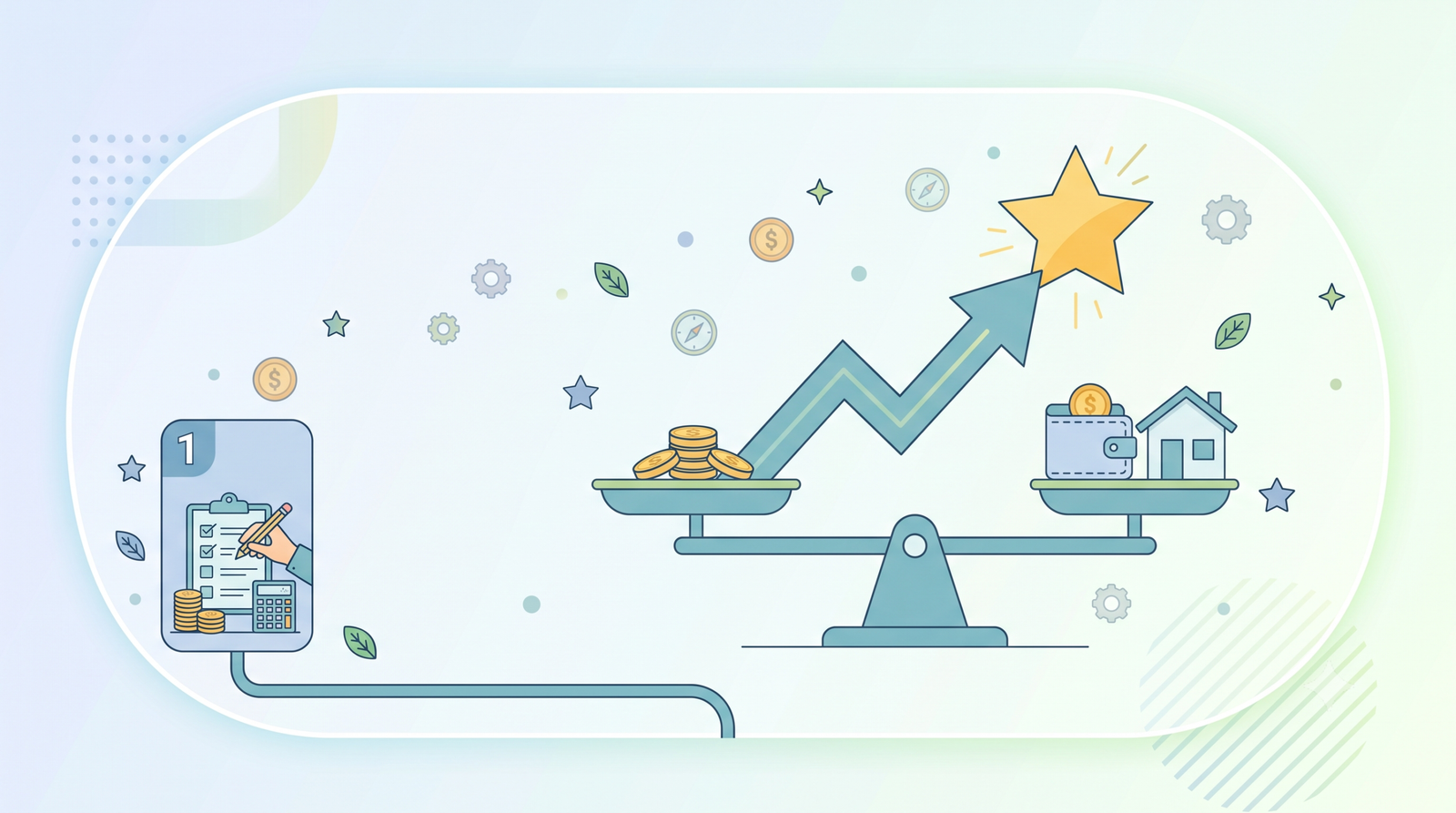
A budget is not only a list of expenses. It is a way to decide what your money should do before it disappears through small, automatic, or emotional purchases.
When you understand your needs and wants, you can:
- Prioritize important bills
- Reduce unnecessary spending
- Make room for savings
- Avoid relying on credit for everyday purchases
- Prepare for rising prices
- Spend more confidently on things you genuinely value
- Recognize which expenses can be reduced during a difficult month
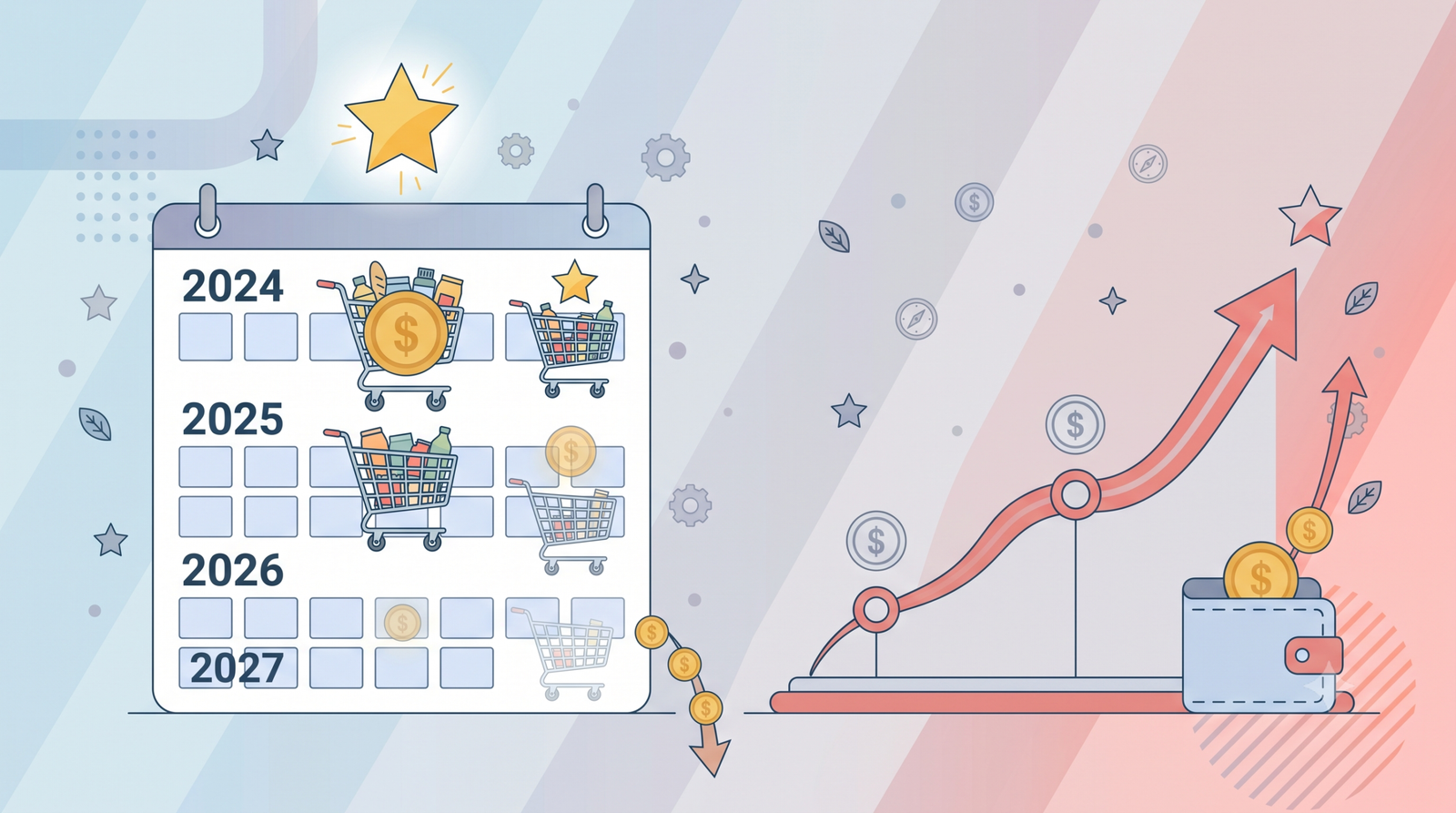
This matters even more when prices are rising. As explained in our article on how inflation affects your money, everyday costs can gradually increase while your income stays the same. When that happens, separating essential expenses from optional ones helps you decide where adjustments are possible.
Without this distinction, people often make one of two mistakes.
The first is spending freely on wants while delaying important needs, such as building an emergency fund or paying an overdue bill. The second is becoming so restrictive that every enjoyable purchase feels irresponsible. Neither approach creates a healthy relationship with money.
A useful budget makes space for both responsibility and enjoyment.
Basic Examples of Needs and Wants
The following examples are general guidelines rather than permanent rules.
| Usually a Need | Usually a Want |
|---|---|
| Basic groceries | Takeout and restaurant meals |
| Rent or basic housing | A larger home than necessary |
| Electricity and water | Premium upgrades or extra services |
| Essential transportation | Luxury features or frequent upgrades |
| Basic clothing | Trend-based shopping |
| Required medication | Beauty products beyond essentials |
| Minimum debt payments | Optional financed purchases |
| Basic phone service | The newest phone model |
| Work-related equipment | Expensive accessories |
| Emergency savings | Entertainment spending |
The categories can change depending on your circumstances.
For example, internet access may have once been considered optional for many households. Today, it may be necessary for remote work, education, job applications, banking, and communication. A reliable laptop may be a want for one person but a need for a student or employee.
This is why copying someone else’s budget categories does not always work. Your budget should reflect your real life, not an imaginary version of what a “responsible” person is supposed to need.
The Three Levels of Spending
A helpful way to identify needs and wants is to stop thinking in only two categories. Instead, divide purchases into three levels:
1. Essential Needs
These are expenses you generally cannot avoid without creating a serious problem.
Examples may include:
- Basic housing
- Basic food
- Utilities
- Necessary transportation
- Required medication
- Minimum loan or debt payments
- Childcare needed to work
- Essential insurance
- Work or education requirements
Essential needs should usually be addressed first because failing to pay them can affect your safety, health, housing, employment, or legal obligations.
2. Flexible Needs
Flexible needs are important, but the amount you spend on them can often change.
Examples include:
- Groceries beyond the basics
- Clothing
- Transportation
- Phone and internet plans
- Household supplies
- Personal care
- Medical expenses that can be scheduled or compared
For example, food is a need, but expensive snacks, premium brands, delivery charges, and frequent restaurant meals may be flexible choices within that category.
Flexible needs are often the first place to look when your budget becomes tight. You do not necessarily eliminate them; instead, you find a less expensive version.
3. Optional Wants
Optional wants are purchases that add enjoyment, convenience, comfort, or personal expression but are not required for your basic needs.
Examples include:
- Streaming subscriptions
- Frequent dining out
- Upgraded electronics
- Expensive hobbies
- Designer clothing
- Premium travel
- Decorative items
- Gaming purchases
- Unplanned online shopping
- Convenience delivery fees
Wants are not automatically bad. They become a problem when they are unplanned, unaffordable, or prioritized above more important financial responsibilities.
How to Identify Wants vs Needs Before Buying
A simple decision process can help you slow down before making a purchase.
Ask Whether the Purchase Protects Your Basic Well-Being
Start with the most important question:
If I do not buy this today, will my health, safety, housing, work, or basic daily life be seriously affected?
If the answer is yes, the purchase may be a need.
For example, replacing unsafe tires on a car used to commute may be a need. Buying upgraded rims for the same car is generally a want.
Replacing a broken refrigerator may be a need if it is the only way to store food safely. Replacing a working refrigerator because a newer model has a nicer finish is a want.
This question does not make every urgent purchase a need. It simply helps separate real consequences from temporary discomfort or excitement.
Ask Whether There Is a Lower-Cost Alternative
A need does not always require the most expensive version available.
You may need:
- Transportation, but not a luxury vehicle
- A phone, but not the newest model
- Clothing, but not a large seasonal wardrobe
- Internet, but not the highest-speed package
- Food, but not delivery every evening
The need is the basic function. The extra features, brand, convenience, and status may be wants.
This distinction is important because many purchases contain both. You may genuinely need a laptop for work, but the premium storage, accessories, and upgraded design may be optional.
Ask Whether You Planned for It
A planned purchase is not automatically a need, and an unplanned purchase is not automatically a want. However, planning gives you time to evaluate the decision.
Before buying, ask:
- Was this included in my monthly budget?
- Did I expect this expense?
- Do I have money set aside for it?
- Will buying it force me to delay another priority?
- Am I using debt to pay for it?
If the purchase was not planned, consider waiting before deciding. A short pause can reveal whether the item is truly important or simply appealing in the moment.
Ask What Problem the Purchase Solves
Every purchase promises to solve a problem. The problem might be practical, emotional, social, or convenient.
Try to name the problem clearly.
For example:
- “I need a warmer coat for winter.”
- “I want a new coat because I am tired of my current style.”
- “I need a reliable laptop for work.”
- “I want a faster laptop because the new model looks better.”
- “I need groceries for the week.”
- “I want delivery because I am tired and do not want to cook.”
All of these reasons are understandable. The purpose is not to judge the answer. It is to make the reason visible before your money is committed.
A Practical Needs vs Wants Decision Framework
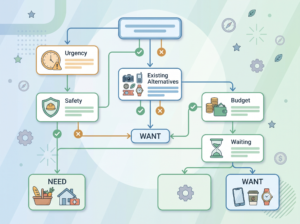
Use the following five-question framework for purchases that are not obvious.
Question 1: Is It Necessary Right Now?
Some purchases can wait a day, a week, or several months. Others cannot.
If delaying the purchase creates a serious risk to health, safety, housing, employment, or basic functioning, it is more likely to be a need.
If delaying it creates only disappointment or inconvenience, it is more likely to be a want.
Question 2: Do I Already Own Something That Does the Same Job?
Many wants appear because we already own a functional alternative.
Before buying, ask:
- Do I already have something similar?
- Is the current item actually broken?
- Can I repair, borrow, rent, or reuse something instead?
- Would I still want this if it were not promoted or discounted?
A sale does not turn an unnecessary purchase into a need. It only reduces the price of the want.
Question 3: Is It Affordable Without Borrowing?
A purchase may be useful but still unaffordable right now.
Consider whether you can pay for it without:
- Missing a bill
- Reducing essential groceries
- Skipping a debt payment
- Emptying your emergency fund
- Carrying a high-interest credit card balance
- Using buy-now-pay-later financing for a nonessential item
If the purchase requires expensive borrowing, the real cost is higher than the advertised price.
Question 4: Does It Support My Current Priorities?
Your priorities may include:
- Building an emergency fund
- Paying off high-interest debt
- Saving for education
- Preparing for a move
- Supporting your family
- Starting a business
- Replacing unreliable transportation
- Saving for a long-term goal
A want may be enjoyable, but it should be weighed against what else the same money could accomplish.
This is not about choosing the most serious option every time. It is about making the trade-off consciously.
Question 5: Would I Still Buy It After Waiting?
For nonessential purchases, use a waiting period.
Try:
- 24 hours for smaller purchases
- One week for moderately expensive purchases
- Thirty days for major wants
Add the item to a note or wish list instead of buying immediately. If you still want it after the waiting period and it fits your budget, it may be a reasonable purchase.
If the desire disappears, you have learned something useful without spending the money.
How to Make Room for Wants Without Damaging Your Finances
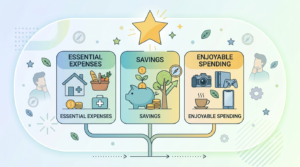
A healthy budget should not treat every want as a financial failure. Enjoyment is part of life, and completely eliminating optional spending often leads to frustration and eventually to overspending.
The goal is to give wants a specific place.
Create a Fun-Spending Category
Set aside a fixed amount for entertainment, hobbies, restaurants, clothing, or other personal wants. This can be a percentage of your income or a dollar amount that fits your circumstances.
The exact number matters less than the boundary.
When the category has money in it, you can spend without guilt. When it is empty, you wait or choose a free alternative.
Use a Priority List for Wants
Not every want has equal value.
You might divide optional spending into:
- Things that improve daily life
- Activities that support relationships or health
- Purchases that provide occasional enjoyment
- Impulse purchases that are quickly forgotten
This does not mean you must eliminate the fourth category completely. It simply helps you notice where your money produces the most satisfaction.
For example, you may get more lasting value from a hobby you use every week than from several small online purchases you barely remember.
Choose Quality Over Constant Replacement
Buying the cheapest possible item is not always the best financial decision. A low-quality product that must be replaced repeatedly may cost more over time.
When you genuinely need something, compare:
- Purchase price
- Expected lifespan
- Repairability
- Maintenance cost
- Warranty
- Frequency of use
The cheapest option is not always the lowest total cost. However, “buy it for life” should not become an excuse to purchase an expensive upgrade you do not need.
Use the “One In, One Out” Rule
For clothing, household items, toys, or hobbies, consider removing one existing item whenever you add another.
This rule can:
- Limit clutter
- Slow down replacement cycles
- Make storage costs visible
- Encourage more thoughtful purchases
It does not prevent spending, but it introduces a practical limit.
Common Mistakes When Separating Needs and Wants
Treating Every Convenience as a Need
Convenience can be valuable, especially when someone is busy, disabled, caring for children, or working long hours. But convenience still has a cost.
Food delivery, ride-hailing, subscription services, and same-day shipping may be worthwhile at times. The mistake is treating them as invisible or unavoidable when they are actually flexible expenses.
A better approach is to budget for convenience honestly.
Calling Wants “Investments”
People sometimes describe expensive clothing, electronics, vehicles, or collectibles as investments simply because they have resale value.
An item having resale value does not automatically make it a good investment. Consider:
- Does it reliably hold value?
- Does it generate income?
- Are there costs to store or maintain it?
- How easy is it to sell?
- Is the resale value based on evidence or hope?
As explained in assets vs liabilities, ownership and wealth-building are not always the same thing.
Assuming Discounts Create Savings
A discount only saves money if you needed the item or would have purchased it anyway.
Spending $60 on a product marked down from $100 does not mean you saved $40. You spent $60. If the item was unnecessary, the discount may have encouraged spending rather than reduced it.
Using Emotional Urgency as Financial Urgency
A purchase can feel urgent because of:
- Stress
- Social pressure
- Fear of missing out
- Advertising
- Boredom
- A difficult day
- Comparison with other people
The feeling may be real, but it does not always mean the purchase is necessary.
If impulse spending is a recurring problem, our guide on how to stop impulse spending covers specific ways to create more space between an emotion and a purchase.
Feeling Guilty About Every Want
The opposite mistake is believing that financially responsible people never spend on enjoyable things.
A budget that contains no room for rest, hobbies, celebrations, or personal choices may be too restrictive to maintain. Sustainable money management is not about removing all pleasure. It is about making sure pleasure is paid for intentionally rather than through debt or neglected priorities.
A Realistic Example: Deciding Between a Need and a Want
Imagine someone has $500 available after paying their regular monthly bills. They are considering three purchases:
- A $180 replacement pair of work shoes because the current pair is damaged
- A $220 new phone because their current phone is two years old
- A $100 weekend restaurant and entertainment plan
The work shoes may be a need if the current pair is unsafe, uncomfortable, or unsuitable for work. However, the person may not need the most expensive pair available. A durable $100 pair could solve the problem and leave more money available.
The new phone is probably a want if the current phone works reliably. It may become a need if the device no longer supports required work or school tasks, but age alone does not make an upgrade necessary.
The entertainment plan is a want, but that does not make it wrong. The question is whether it fits within the person’s priorities after essential expenses and savings goals are considered.
A reasonable decision might be:
- Buy suitable work shoes for $100
- Delay the phone upgrade
- Reduce the entertainment plan to $60
- Put the remaining $340 toward savings or debt repayment
Another person may reasonably choose differently. The framework does not produce one universal answer. It helps make the trade-off visible.
Frequently Asked Questions
What is the easiest way to tell a need from a want?
Ask whether not buying the item would seriously affect your health, safety, housing, work, or basic daily life. If the main result is inconvenience, disappointment, comfort, or enjoyment, it is more likely to be a want.
Are wants bad for your finances?
No. Wants become financially harmful when they are unplanned, unaffordable, purchased with expensive debt, or prioritized over important needs. A realistic budget should include some money for enjoyment.
Is a car a need or a want?
It depends on your circumstances. A car may be a need if you rely on it for work, medical care, family responsibilities, or transportation in an area with limited alternatives. The type of car, its price, and its features may still contain wants.
Is a phone a need or a want?
Basic communication may be a need, especially for work, school, emergencies, or essential services. However, upgrading to the newest model is usually a want when your current phone still performs the required functions.
How can I stop treating every purchase as a need?
Start by creating a waiting period for nonessential purchases. Then ask whether you own something that already solves the problem, whether the purchase fits your budget, and whether buying it would delay an important financial priority.
Should I stop spending on wants until I have savings?
Not necessarily. The right approach depends on your situation. If you have urgent bills, high-interest debt, or no money for basic needs, optional spending may need to be reduced significantly. Otherwise, a modest planned amount for wants can make your overall budget easier to maintain.
Key Takeaways
- A need supports basic health, safety, housing, work, or daily functioning; a want adds comfort, convenience, enjoyment, or status.
- The same purchase can be a need for one person and a want for another.
- Many expenses contain both a basic need and optional upgrades.
- Before buying, ask whether the purchase is urgent, whether you already own an alternative, whether it is affordable, and whether it supports your current priorities.
- Waiting 24 hours or longer can reduce impulse purchases and make your real priorities clearer.
- Wants are not automatically irresponsible. The goal is to budget for them honestly rather than allowing them to replace savings, essential bills, or debt payments.
- Understanding needs and wants makes the budgeting principles in financial literacy 101 easier to apply.
- Rising prices make spending awareness even more important, which connects directly to how inflation affects your money.
- Readers looking for broader ways to reduce optional expenses can also explore frugal living 101.
The difference between a need and a want is not meant to make spending stressful. It is meant to give you more control over your choices. When you know what is essential, what is flexible, and what is optional, you can spend on the things you value without wondering where all your money went.
A strong budget does not say “never buy wants.” It says, “take care of priorities first, then enjoy the rest intentionally.”
This article is for informational purposes only and is not financial advice