








Hobbies can improve your mood, reduce stress, build skills, and make your free time more enjoyable. But many people assume that starting a hobby requires expensive equipment, paid memberships, special clothing, or a large collection of supplies.
That assumption can turn entertainment into another source of financial pressure.
The truth is that many enjoyable hobbies cost little or nothing to begin. Some use items you already own. Others can be practiced outdoors, through a library, with free digital resources, or alongside friends and family.
The key is to avoid turning every hobby into a shopping project. You do not need the newest equipment or a complete collection before you begin. Start with the basic version, discover whether you enjoy the activity, and upgrade only when the hobby proves valuable enough to justify the cost.
This guide covers cheap hobbies and free things to do for fun, including creative activities, outdoor hobbies, learning, fitness, social activities, and relaxing hobbies at home. These ideas support the intentional spending principles in our frugal living guide, where saving money is not about removing all enjoyment from life.
Why Affordable Hobbies Matter
Entertainment spending can become expensive when every activity involves shopping, dining out, travel, or paid subscriptions.
A few small purchases may not seem serious:
- A drink while meeting a friend
- A new game
- A craft kit
- A paid class
- A movie ticket
- A new item for a collection
- A restaurant meal after work
But repeated spending can reduce the money available for savings, debt payments, or other goals.
Affordable hobbies provide another option. They can help you enjoy your time without making every free evening depend on spending money.
A low-cost hobby may also offer benefits beyond entertainment:
- Better physical health
- Improved concentration
- New practical skills
- Creative expression
- Social connection
- Stress reduction
- Greater confidence
- A sense of progress
- Opportunities to make or repair useful things
A hobby does not need to generate income to be worthwhile. Its value may come from the time, energy, enjoyment, or connection it creates.
How to Choose a Budget-Friendly Hobby
Before choosing a hobby, consider how you naturally like to spend your time.
Ask yourself:
- Do I prefer indoor or outdoor activities?
- Do I enjoy working alone or with other people?
- Do I want something relaxing or physically active?
- Do I like creating things or learning information?
- Do I prefer structured lessons or independent practice?
- How much time do I realistically have?
- What equipment do I already own?
- What can I try for free before spending money?
The best hobby is not necessarily the one that sounds impressive. It is the one you are likely to practice consistently.
A useful rule is:
Use what you already have, borrow what you can, and buy only after you know the activity fits your life.
This rule protects you from buying expensive supplies for a hobby you may abandon after two weeks.
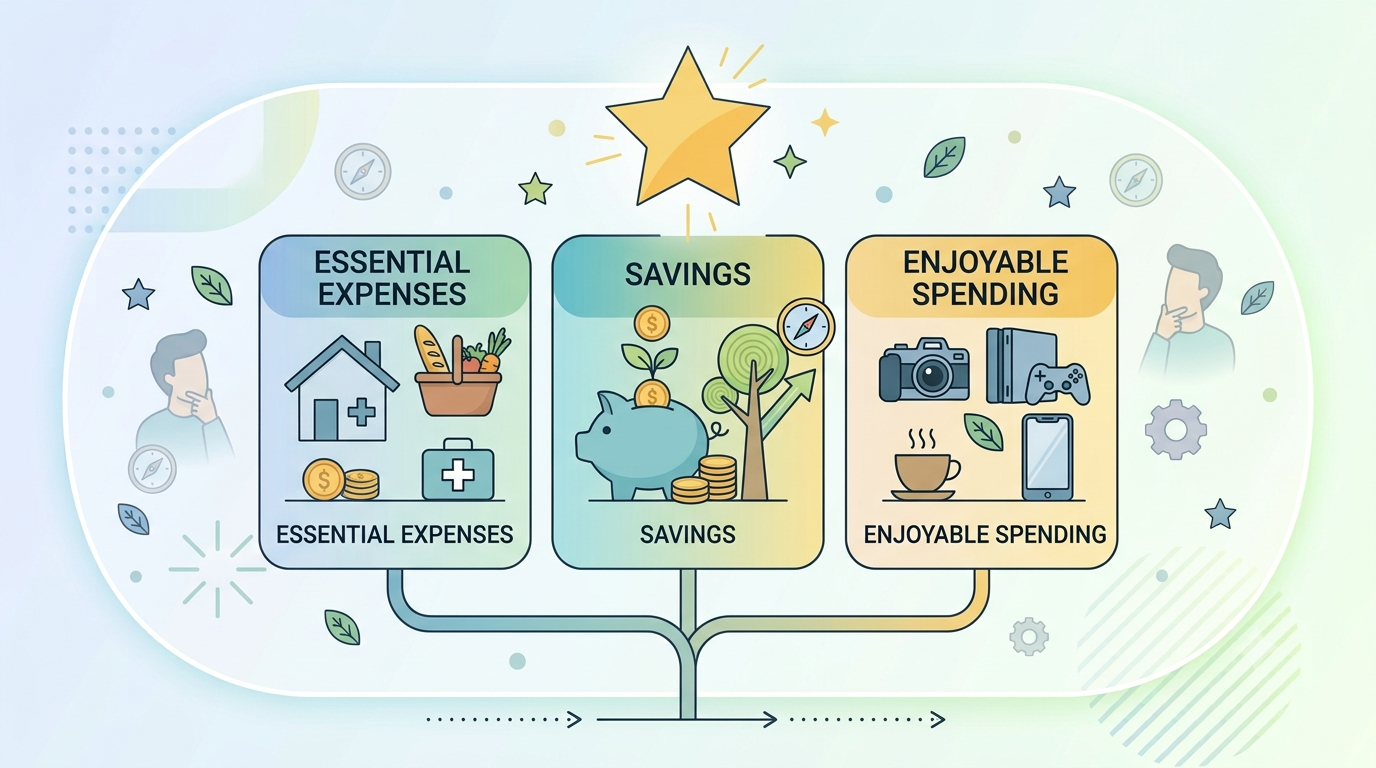
It also connects to the needs-versus-wants framework in our needs vs wants guide. Hobby equipment is usually a want, so it should fit within your optional spending category rather than replacing essential expenses or savings.
25 Cheap and Free Hobbies to Try
1. Reading
Reading is one of the most accessible hobbies because libraries, used bookstores, book exchanges, and digital lending services can provide thousands of options.
You can read:
- Fiction
- History
- Biographies
- Personal development
- Science
- Poetry
- Essays
- Travel writing
- Personal finance
- Local history
Set a small reading goal, such as ten pages each evening. You do not need to purchase every book. Borrowing books can make reading a nearly free hobby.
2. Walking
Walking requires little equipment and can be done almost anywhere.
You can make it more interesting by:
- Exploring a different route
- Listening to a podcast
- Taking nature photographs
- Walking with a friend
- Visiting local neighborhoods
- Tracking distance
- Joining a walking group
Walking can also combine exercise, relaxation, and exploration without the cost of a gym membership.
3. Journaling
Journaling requires only paper and a pen, although a notes app can work just as well.
You can write about:
- Daily experiences
- Goals
- Ideas
- Gratitude
- Problems you are working through
- Books you have read
- Spending decisions
- Creative stories
- Future plans
Journaling does not need to be polished or shared. It can simply be a private way to organize your thoughts.
4. Drawing
You do not need professional art supplies to begin drawing. A pencil and ordinary paper are enough.
Try:
- Sketching objects around your home
- Drawing people or places from memory
- Practicing shapes
- Copying simple patterns
- Creating cartoons
- Using free online tutorials
- Keeping a daily sketchbook
The goal is practice, not immediate perfection.
5. Photography With Your Phone
Modern phones can provide a useful starting point for photography.
Practice photographing:
- Buildings
- Plants
- Shadows
- Food
- Everyday objects
- Landscapes
- Textures
- Local streets
- Family moments
Learn basic ideas such as composition, light, framing, and perspective. You do not need an expensive camera until you know that photography is a hobby you genuinely enjoy.
6. Cooking New Recipes
Cooking can be both a hobby and a practical household skill.
Choose recipes that use ingredients you already have. Try learning:
- Soups
- Sauces
- Bread
- Rice dishes
- Seasonal vegetables
- Affordable protein meals
- Breakfast recipes
- Homemade snacks
Cooking at home can also support the grocery habits explained in how to save money on groceries, although expensive ingredients and unused specialty products can make cooking costly if you are not careful.
7. Gardening
Gardening can be practiced on a large plot, balcony, windowsill, or small container.
Start with:
- Herbs
- Green onions
- Lettuce
- Tomatoes
- Flowers
- Easy indoor plants
Gardening teaches patience and provides a practical project to care for. You do not need a large garden or expensive equipment to begin.
Reuse containers when they are safe and suitable, but make sure plants have adequate drainage and light.
8. Home Workouts
You can exercise at home using bodyweight movements, walking, stretching, or free workout resources.
Possible activities include:
- Squats
- Push-ups
- Lunges
- Yoga
- Mobility exercises
- Dance workouts
- Stretching
- Step exercises
- Bodyweight circuits
Choose activities appropriate for your fitness level and health. You do not need expensive equipment to develop a consistent movement habit.
9. Birdwatching
Birdwatching can begin from a window, garden, balcony, or local park.
You can use:
- Free identification guides
- A notebook
- Your phone camera
- Local walking routes
- Community groups
Binoculars may improve the experience, but they are not required at the beginning.
10. Learning a Language
Language learning can be inexpensive through libraries, free lessons, conversation groups, podcasts, books, and online resources.
Set a small daily practice goal:
- Learn five words
- Practice pronunciation
- Watch a short lesson
- Read a simple paragraph
- Review previous vocabulary
- Speak with a language partner
Consistency matters more than buying multiple courses.
11. Learning a Musical Instrument You Already Own
If you already have a guitar, keyboard, recorder, or another instrument at home, free lessons can help you begin.
You can practice:
- Basic chords
- Scales
- Rhythm
- Simple songs
- Reading music
- Ear training
If you do not own an instrument, borrow one or look for community programs before making a purchase.
12. Writing
Writing can include:
- Short stories
- Poetry
- Essays
- Personal reflections
- Reviews
- Blog posts
- Family history
- Fiction
- Letters
A notebook or basic digital document is enough. Writing can improve communication and provide a creative outlet.
13. Puzzles and Brain Games
Crosswords, sudoku, logic puzzles, word games, and jigsaw puzzles can be relaxing and mentally engaging.
Borrow puzzles from friends, use library resources, or find free versions online. If you enjoy physical puzzles, exchange them with other people instead of buying new ones repeatedly.
14. Learning About Local History
You may be surprised by how much history exists in your own area.
Explore:
- Local libraries
- Public archives
- Historic buildings
- Museums with free entry days
- Old newspapers
- Community stories
- Walking tours
- Historical maps
This hobby can turn familiar places into something new.
15. Decluttering and Organizing
Organizing may not sound like a traditional hobby, but it can be satisfying and practical.
You can organize:
- A closet
- A desk
- Digital files
- Photos
- Kitchen cabinets
- Books
- Tools
- Important documents
The activity can also help you understand what you already own and reduce unnecessary future purchases.
16. Repairing and Upcycling
Learning to repair or reuse items can save money while providing a sense of accomplishment.
Try:
- Sewing small tears
- Repairing furniture
- Repainting objects
- Reusing containers
- Fixing loose handles
- Restoring old items
- Creating storage from existing materials
Start with simple projects and use safety equipment where necessary.
17. Crafting With Existing Materials
Crafting does not require purchasing an entire collection of supplies.
Use materials already available, such as:
- Paper
- Cardboard
- Fabric scraps
- Old magazines
- Empty containers
- Leftover yarn
- Natural materials
- Reusable packaging
Possible projects include cards, decorations, collages, simple gifts, and household organizers.
18. Volunteering
Volunteering can be a meaningful hobby and a way to build relationships.
You might help with:
- Community events
- Libraries
- Animal organizations
- Food distribution
- Youth programs
- Environmental activities
- Elder support
- Local cleanups
Volunteering may involve transportation or other small costs, so choose opportunities that fit your schedule and budget.
19. Board Games and Card Games
Games can provide social entertainment without requiring a restaurant or paid event.
Use games you already own, borrow from friends, or organize a regular game night. Many communities also have free or low-cost game events.
20. Meditation and Breathing Practice
Meditation can be practiced without paid subscriptions or equipment.
Start with a few quiet minutes and focus on:
- Breathing
- Body sensations
- Sounds
- Thoughts without judgment
- Slow movement
- Relaxation
The goal is not to eliminate every thought. It is to develop a calmer way to notice them.
21. Stargazing
Stargazing can be as simple as looking at the sky from a safe outdoor location.
Use free sky maps or astronomy resources to identify:
- The moon
- Planets
- Constellations
- Meteor showers
- Seasonal star patterns
You do not need a telescope to begin.
22. Creating Playlists and Discovering Music
Music can be a hobby rather than only background noise.
You can:
- Create themed playlists
- Explore music from different countries
- Learn about artists
- Organize your existing collection
- Share recommendations with friends
- Study lyrics or instruments
- Attend free local performances
Use services and resources already available to you rather than adding unnecessary subscriptions.
23. Fishing, Hiking, or Outdoor Exploration
Outdoor hobbies can be affordable when you begin with basic equipment and local locations.
Hiking may require only suitable shoes and water. Fishing may require equipment, permits, and knowledge of local rules, so research the full cost before starting.
Look for free parks, public trails, and community events.
24. Learning Practical Skills
Practical skills can become rewarding hobbies.
Examples include:
- Basic budgeting
- Sewing
- First aid
- Home maintenance
- Cooking
- Computer skills
- Public speaking
- Gardening
- Bicycle maintenance
- Organization
Free lessons, libraries, community workshops, and experienced friends can help you learn.
25. Hosting Simple Gatherings
Socializing does not always require restaurants or expensive activities.
Host:
- A potluck meal
- A board-game evening
- A movie night
- A book discussion
- A walking group
- A recipe exchange
- A craft afternoon
- A study or learning session
Ask guests to bring something when appropriate. The focus should be connection rather than presentation.
How to Start a Hobby Without Overspending
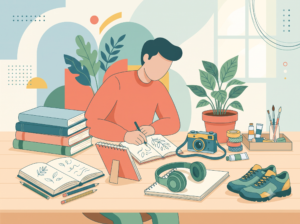
Use a gradual process.
Step 1: Choose One Hobby
Starting five hobbies at once can lead to unnecessary purchases and little practice. Pick one activity that interests you most.
Step 2: Use What You Already Have
Look around your home before buying anything. You may already own books, tools, sports equipment, art supplies, or a device that can help you begin.
Step 3: Try the Free Version First
Use a library, free lesson, public space, borrowed equipment, or community group.
Step 4: Set a Small Practice Schedule
Try 15 to 30 minutes several times per week. Consistency helps you determine whether the hobby genuinely fits your life.
Step 5: Borrow or Buy Used
If equipment is necessary, borrow it or look for secondhand options. Ask friends, family, libraries, community centers, or local groups.
Step 6: Set an Upgrade Rule
Only spend more after you have practiced enough to know what problem the upgrade would solve.
For example, do not buy a premium camera until you understand the basic camera features you actually need.
Avoid Turning a Cheap Hobby Into Expensive Shopping
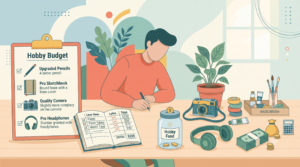
Many hobbies become expensive because people buy equipment before developing the habit.
Common examples include:
- Buying a complete art collection before drawing regularly
- Purchasing expensive camping equipment before trying local trips
- Buying multiple instruments before learning one
- Ordering large quantities of craft supplies
- Paying for several memberships at once
- Collecting accessories instead of practicing
- Upgrading equipment because of online recommendations
Use a “practice before purchase” rule. Commit to using the basic version for a set period, such as 30 days or ten practice sessions.
Then review:
- Do I still enjoy the hobby?
- How often did I practice?
- What limitation did I experience?
- Is the upgrade necessary or just exciting?
- Can I borrow or buy used equipment?
- Does the cost fit my current goals?
A hobby should provide value through participation, not only through acquiring related products.
Affordable Hobbies and Impulse Spending
Hobbies can sometimes become an excuse for impulse spending.
A person may say:
- “I need a reward for starting.”
- “This equipment will motivate me.”
- “I cannot begin without the premium version.”
- “The sale will not last.”
- “Everyone in the hobby uses this product.”
If this pattern feels familiar, create a hobby budget before purchasing supplies. You can also use the waiting-period method discussed in how to stop impulse spending.
Write down the item, price, and reason for wanting it. Wait at least 24 hours for small purchases and longer for expensive equipment.
This gives you time to separate genuine usefulness from excitement generated by advertising or comparison.
A Realistic Hobby Budget Example
Suppose someone wants to start three hobbies:
- Drawing
- Walking
- Cooking
Instead of purchasing expensive supplies immediately, they begin with:
- Existing paper and pencils
- Comfortable shoes they already own
- Ingredients already available at home
- Free drawing lessons
- Local walking routes
- Simple recipes
After one month, the person discovers that drawing and cooking are enjoyable, while walking is better as occasional exercise rather than a dedicated hobby.
They then spend:
- $20 on better drawing paper
- $15 on basic cooking ingredients
- $0 on walking
The total cost is $35 rather than several hundred dollars spent on unused equipment.
The person can continue upgrading slowly if the activities remain valuable. The important decision was testing the hobby before investing heavily in it.
Common Mistakes When Choosing Affordable Hobbies
Assuming Expensive Equipment Creates Motivation
Motivation usually comes from enjoying the activity and practicing consistently. Equipment can help, but it cannot replace interest or routine.
Choosing a Hobby Based on Social Media
Online images often show the most polished version of an activity. They may make it seem as though you need expensive spaces, clothing, tools, or supplies.
Start with the basic version and decide what suits you.
Starting Too Many Hobbies
Too many new activities can create clutter and unnecessary spending. Choose one or two and give them time.
Buying Supplies Before Learning the Basics
Learn what you actually need before buying specialized products. Free lessons and experienced communities can help you avoid unnecessary purchases.
Ignoring the Cost of Storage
Supplies, equipment, subscriptions, transportation, and storage all count toward the true cost of a hobby.
Thinking Free Means Effortless
Free hobbies still require time, patience, and practice. The absence of a price does not mean the activity will be instantly enjoyable.
Abandoning a Hobby Too Quickly
Some activities become enjoyable only after you learn basic skills. Give a hobby enough time to determine whether the challenge is part of the appeal.
Frequently Asked Questions
What are the cheapest hobbies to start?
Reading, walking, journaling, drawing, writing, home workouts, learning a language, meditation, local exploration, and cooking with existing ingredients can all be started with little or no money.
How can I find free things to do for fun?
Check your local library, community center, public parks, museums, volunteer organizations, free events, walking routes, and online educational resources. Ask friends to join activities that do not require paid entertainment.
Are hobbies worth spending money on?
Yes, when the activity provides genuine value and fits your budget. Set a hobby allowance and spend gradually instead of purchasing everything immediately.
How do I avoid overspending on a hobby?
Use what you own first, borrow equipment, buy used items, set a waiting period, and create an upgrade rule. Only buy something when you understand how it will improve your participation.
Are free online hobbies reliable?
Many free resources are useful, including lessons, tutorials, lectures, podcasts, exercises, and library materials. Compare information carefully and avoid adding paid subscriptions automatically.
What if I do not know what hobby I enjoy?
Try low-cost activities for short periods. You do not need to choose a lifelong hobby immediately. Experimenting with reading, walking, cooking, art, music, and learning can help you discover what fits.
Can a hobby save me money?
Some hobbies can reduce other spending. Cooking may reduce restaurant expenses, repairing items may reduce replacement costs, and free outdoor activities may replace paid entertainment. The hobby should still be chosen for its value rather than only its potential savings.
How much should I budget for hobbies?
There is no universal amount. Choose a level that fits your income, responsibilities, savings, and debt situation. A small planned amount is often more sustainable than trying to spend nothing and later overspending.
Key Takeaways
- Cheap hobbies can provide enjoyment, skills, health benefits, and social connection without large expenses.
- Start with activities that use what you already own.
- Libraries, public parks, community groups, free lessons, and borrowed equipment can reduce costs.
- Try a hobby before buying specialized supplies or premium equipment.
- Use a waiting period and a hobby budget to control impulse purchases.
- Affordable hobbies include reading, walking, cooking, gardening, drawing, writing, photography, volunteering, and learning practical skills.
- Free does not mean worthless, and expensive equipment does not guarantee enjoyment.
- Choose hobbies based on your genuine interests rather than social media trends.
- A hobby can be a want, but it can still fit responsibly into a balanced budget.
- Readers completing a no-spend challenge can use affordable hobbies as alternatives to shopping and paid entertainment.
- A planned hobby budget also supports the intentional spending principles in frugal living 101.
The best hobby is not necessarily the most impressive, expensive, or popular one. It is the activity that brings value to your life and fits your actual schedule and budget.
Start small. Use what you already own. Try the free version first. If the hobby continues to provide enjoyment, invest gradually and intentionally.
Frugal living is not about removing all fun from your life. It is about discovering that meaningful entertainment does not always require constant spending.
This article is for informational purposes only and is not financial advice.