








A no-spend challenge is a short period when you intentionally avoid certain nonessential purchases. It may last for a weekend, one week, or an entire month.
The idea sounds simple: stop spending money on unnecessary things and save the difference. In practice, a no-spend challenge is less about refusing every purchase and more about becoming aware of how often you spend automatically.
Many people discover that their spending is connected to habits rather than actual needs. They buy food because they did not plan ahead, order something online because they feel bored, or purchase small treats because the expense seems too minor to matter. A no-spend challenge creates a pause between the urge to spend and the decision to buy.
This guide explains how to do a no-spend month or a shorter no-spend challenge, how to create rules that fit your life, what you can still buy, and how to avoid the all-or-nothing thinking that causes many challenges to fail.
A no-spend challenge works especially well alongside the habits covered in frugal living 101, because it can help you identify which expenses are providing real value and which ones are simply repeating out of habit.
What Is a No-Spend Challenge?
A no-spend challenge is a planned period when you avoid spending on selected nonessential categories.
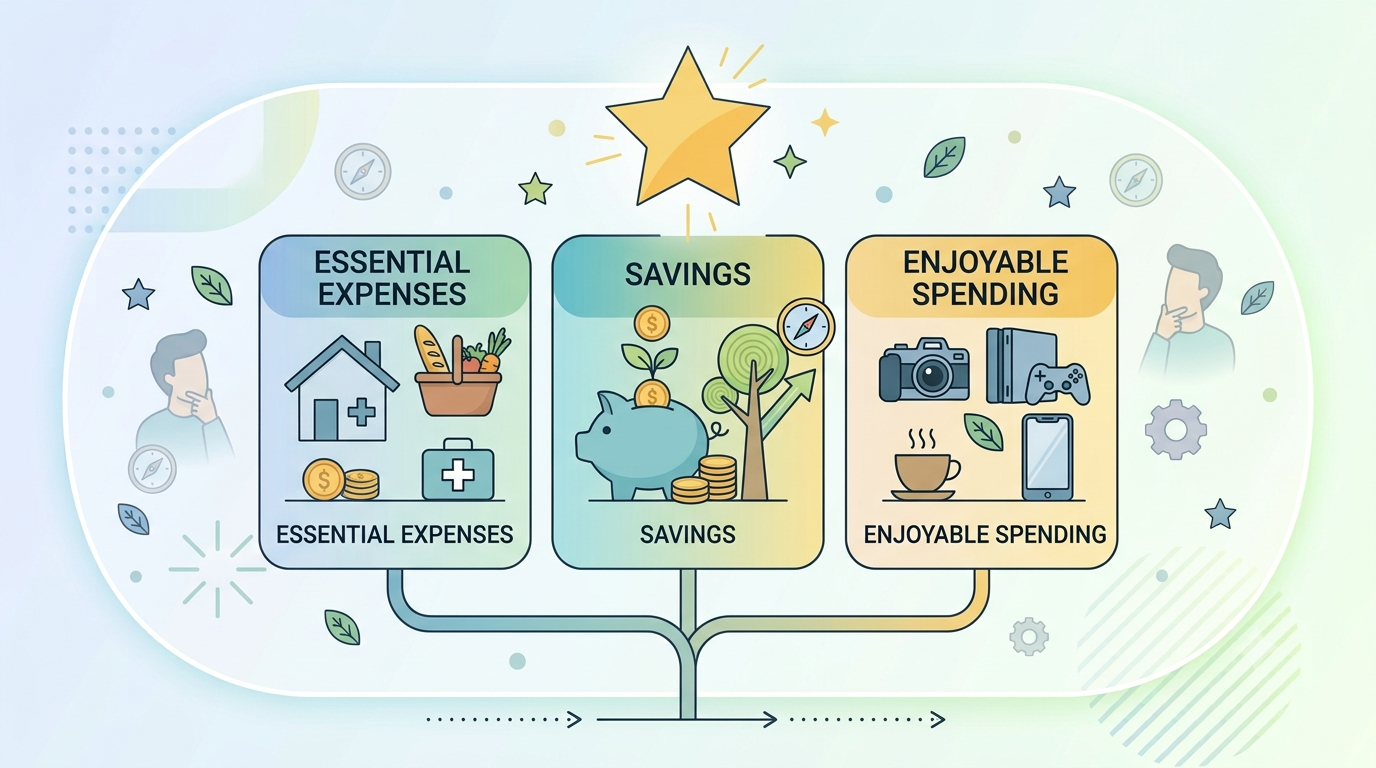
You still pay for necessities such as:
- Housing
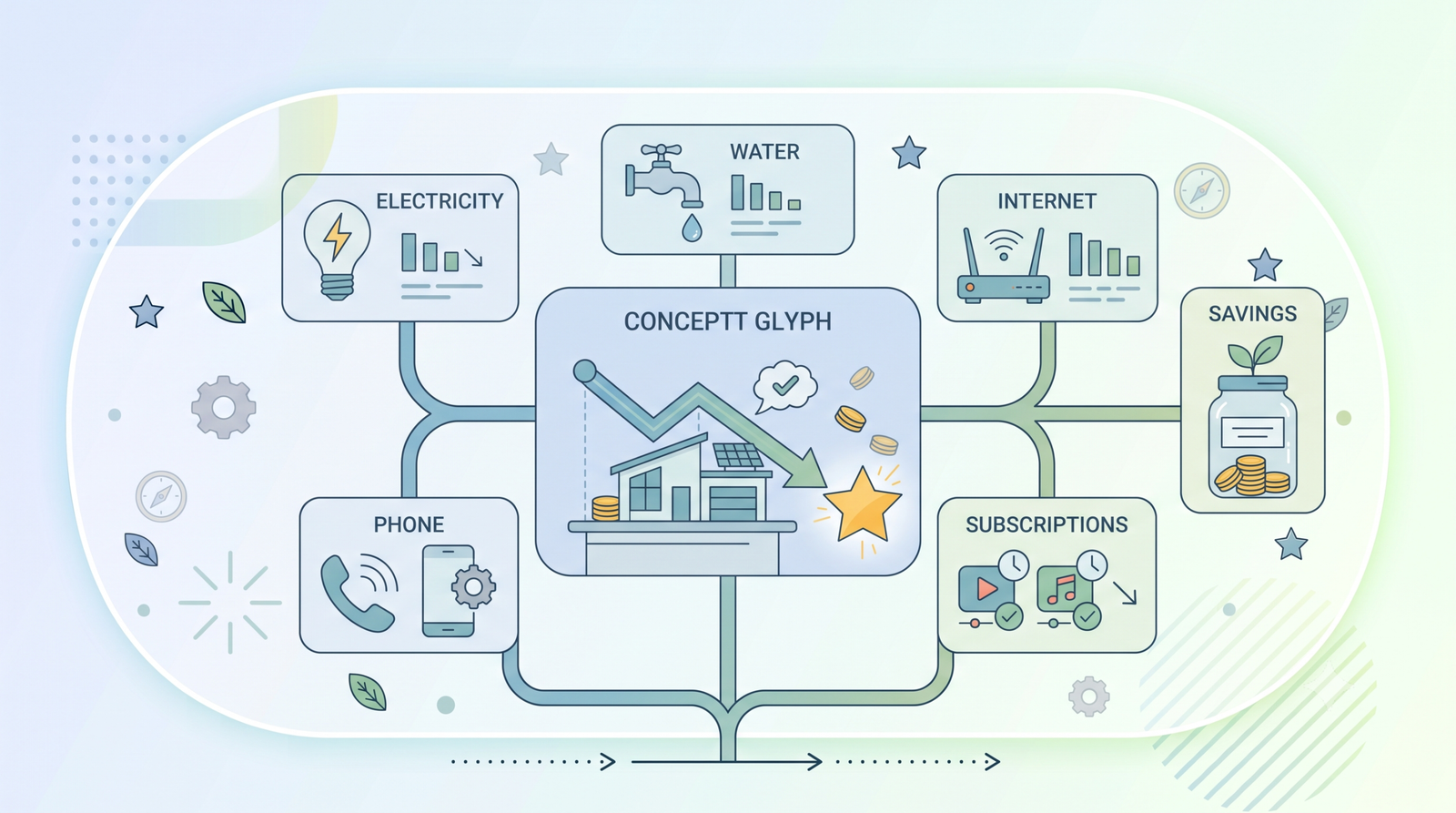
- Utilities
- Transportation required for work or school
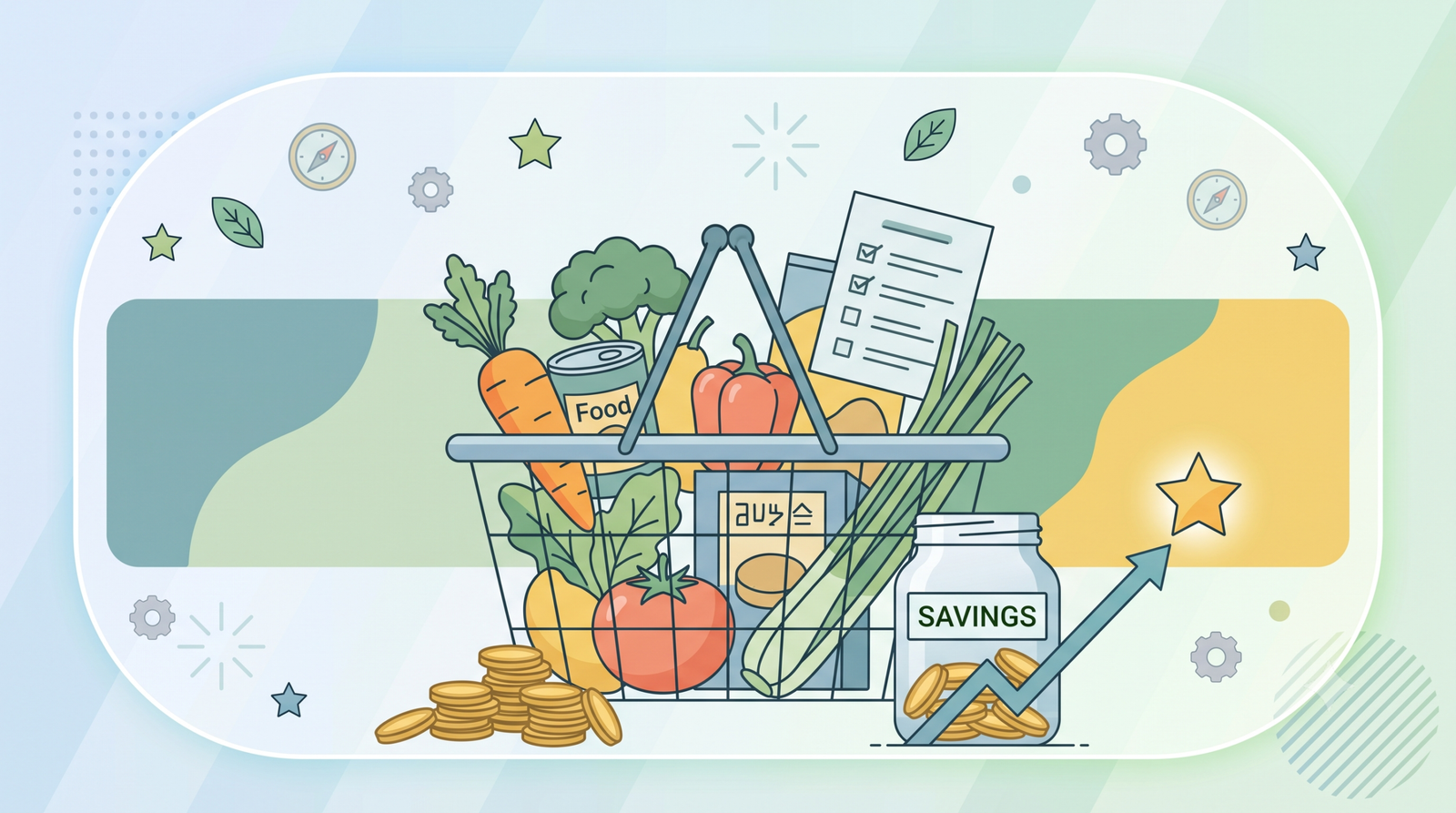
- Basic groceries
- Medication
- Insurance
- Childcare
- Minimum debt payments
- Necessary repairs
You temporarily reduce or pause optional expenses such as:
- Takeout
- Restaurant meals
- Clothing
- Home décor
- Entertainment purchases
- Online shopping
- Unplanned hobbies
- Convenience delivery
- Nonessential beauty services
- Upgrades and accessories
The exact rules are your decision. A no-spend challenge is not a universal financial formula. It is a temporary experiment designed to help you understand your spending and direct more money toward a goal.
Some people call this a “no-buy challenge.” The terms are often used similarly, although a no-buy challenge may focus more heavily on avoiding specific categories such as clothing, cosmetics, or home goods.
The key is to define the challenge before it begins. If the rules are unclear, you will constantly renegotiate them at the moment you feel like buying something.
Why People Try a No-Spend Challenge
A no-spend challenge can be useful for several reasons.
To Save for a Specific Goal
The money you do not spend can be directed toward:
- An emergency fund
- A vacation
- A major purchase
- Debt repayment
- School expenses
- Annual bills
- A moving fund
- A family goal
A clear goal makes the challenge more motivating than simply trying to “spend less.”
To Reset Automatic Spending
Some spending habits happen without much thought. A challenge interrupts the normal routine and makes each purchase more visible.
You may realize that you:
- Shop online when bored
- Order delivery after busy days
- Buy duplicate household items
- Purchase things because they are on sale
- Spend more on weekends
- Use shopping as entertainment
- Add unplanned products to grocery orders
The challenge gives you a chance to notice these patterns.
To Use What You Already Own
A no-spend period can encourage you to use:
- Pantry food
- Freezer meals
- Unread books
- Unused hobby supplies
- Clothing already in your wardrobe
- Household products bought previously
- Free entertainment options
- Equipment that has been sitting unused
This reduces waste and can reveal that you already have more resources than you thought.
To Reduce Financial Stress
A lower-spending period may create breathing room when bills, prices, or debt payments feel overwhelming.
However, a no-spend challenge is not a complete solution for a serious income shortfall. It can help reveal flexible spending, but it cannot replace adequate income, affordable housing, medical care, or professional financial support when those are the main problems.
Choose the Right Length for Your Challenge
The best no-spend challenge is one you can complete.
One-Day Challenge
A one-day challenge is a good starting point. You pay for essential expenses but avoid optional purchases for one day.
It helps you notice:
- How often you spend during a normal day
- Which purchases happen automatically
- What alternatives are available
- Whether you can delay nonessential spending
Weekend Challenge
A weekend can be more difficult because many people spend more during days off.
A no-spend weekend may involve:
- Cooking meals at home
- Avoiding shopping centers
- Using free entertainment
- Taking a walk
- Visiting a library or park
- Spending time with friends at home
- Using items you already own
One-Week Challenge
A week is long enough to reveal patterns while still feeling manageable.
You may plan meals, use existing groceries, avoid online shopping, and pause optional services for seven days.
No-Spend Month
A no-spend month provides the strongest reset, but it requires more planning.
A full month may include birthdays, travel, school costs, appointments, or unexpected events. You should account for known expenses before beginning and create reasonable exceptions.
A no-spend month does not mean that no money leaves your account. It means that you reduce or eliminate selected optional categories for the month.
How to Create No-Spend Challenge Rules
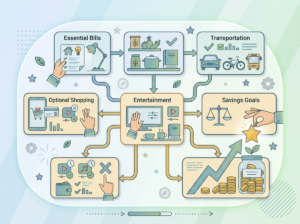
Your rules should be specific enough to guide decisions but flexible enough to fit your real life.
Rule 1: Define the Start and End Dates
Write down exactly when the challenge begins and ends.
For example:
- Saturday morning through Sunday night
- The first day through the last day of the month
- Monday through Sunday for one week
A clear timeline prevents the challenge from becoming indefinite or confusing.
Rule 2: List What You Can Buy
Essential categories may include:
- Basic groceries
- Medication
- Required transportation
- Bills
- Work expenses
- Childcare
- Necessary personal care
- Emergency repairs
Write these down before beginning. A permitted expense should be based on genuine need rather than convenience or impulse.
Rule 3: List What You Will Not Buy
Common restrictions include:
- Takeout
- Restaurant meals
- New clothing
- Cosmetics
- Home décor
- Video games
- Online shopping
- Paid entertainment
- Coffee-shop purchases
- Unplanned gadgets
- Delivery fees
Choose categories based on your actual spending habits. If you never buy clothing, banning clothing will not change your behavior.
Rule 4: Decide How You Will Handle Social Events
You may have birthdays, weddings, family gatherings, or social plans during the challenge.
Possible approaches include:
- Allowing previously planned events
- Setting a small social budget
- Bringing food from home
- Choosing free activities
- Explaining your challenge to friends
- Rescheduling optional activities
Do not create rules that force you to ignore important relationships or obligations. A realistic challenge leaves room for life.
Rule 5: Decide What Happens With Exceptions
Unexpected situations may occur.
Before starting, decide that an exception is acceptable when:
- A health or safety issue arises
- A necessary repair cannot wait
- A work or school requirement appears
- A dependent needs something essential
- A previously unknown obligation must be handled
An exception does not automatically mean the challenge failed. The goal is to improve your financial awareness, not to create a dangerous or unrealistic rule.
A Practical No-Spend Challenge Plan
Step 1: Choose One Financial Goal
Give the challenge a purpose.
Examples:
- Save $200 for a car repair
- Put $300 toward a credit card balance
- Build a starter emergency fund
- Prepare for annual school expenses
- Reduce spending before a move
- Save for a planned purchase
A specific target gives you something measurable to work toward.
Step 2: Review Your Recent Spending
Look at the previous 30 days and identify your most common optional purchases.
You might find:
- $90 in delivery fees
- $65 in coffee-shop spending
- $120 in online shopping
- $75 in entertainment
- $50 in convenience snacks
These numbers help you choose the categories that will make the biggest difference.
Step 3: Plan Food Before the Challenge
Food is one of the most common reasons people abandon a no-spend challenge.
Check your kitchen and plan:
- Breakfasts
- Lunches
- Dinners
- Snacks
- Emergency meals
- Leftover days
Buy necessary groceries before or during the challenge, but avoid using “no-spend” as a reason to skip food or reduce nutrition.
Our guide on saving money on groceries includes practical ways to plan meals, reduce waste, compare prices, and use existing ingredients.
Step 4: Remove Temptations
Before the challenge begins:
- Unsubscribe from promotional emails
- Delete saved payment details
- Remove shopping apps from your phone
- Avoid browsing online stores
- Pause notifications from retailers
- Stay away from shopping centers without a purpose
- Avoid social media accounts that encourage constant buying
Reducing exposure is often easier than relying on willpower.
Step 5: Create a List of Free Alternatives
Write down activities you can enjoy without spending money.
Ideas include:
- Walking
- Reading books you already own
- Watching films you already have access to
- Cooking a new recipe
- Exercising at home
- Visiting a public park
- Calling a friend
- Organizing a room
- Listening to free educational content
- Using a library
- Exploring a free local event
- Working on an existing hobby
The goal is not to make life boring. It is to replace spending with activities that provide similar value.
Step 6: Track Avoided Purchases
Create a simple note with:
- Item you wanted to buy
- Price
- Reason you wanted it
- Whether you still want it later
- Amount you decided not to spend
This shows you where savings are coming from. It also helps distinguish genuine priorities from temporary urges.
Step 7: Move the Savings
At the end of each week or at the end of the challenge, transfer the estimated savings toward your selected goal.
If you leave the money in your regular spending account, it may gradually disappear through other purchases.
What You Can Still Spend Money On
A no-spend challenge should not put your health, safety, or responsibilities at risk.
You can generally continue paying for:
- Rent or mortgage
- Utilities
- Basic groceries
- Medication
- Transportation needed for work or school
- Insurance
- Childcare
- Required education expenses
- Minimum debt payments
- Necessary home or vehicle repairs
- Essential personal care
- Previously planned obligations
The exact categories depend on your household.
If you have a medical diet, children, pets, or a job with special expenses, your rules should reflect those responsibilities. A challenge designed for one person may not work for a family or someone with irregular income.
The purpose is to reduce optional spending, not to pretend that necessary costs do not exist.
How to Handle Common Challenges
“I Need a Reward After a Hard Day”
Many people use shopping, food delivery, or online browsing as emotional relief.
Try creating a list of low-cost rewards before the challenge:
- A favorite meal cooked at home
- A long walk
- A bath
- A movie night using something you already own
- Time with a friend
- A nap
- Music
- Journaling
- A hobby
- A visit to a free public space
This does not mean emotional spending is a character flaw. It means you are building alternative ways to respond to stress.
“I Forgot to Prepare Food”
Create emergency meals that require little effort.
Keep simple ingredients available, such as:
- Eggs
- Oats
- Pasta
- Rice
- Soup
- Frozen vegetables
- Beans
- Bread
- Canned fish
- Yogurt
A no-spend challenge is easier when the alternative to takeout is convenient enough.
“My Friends Want to Go Out”
You have several options:
- Explain your challenge honestly
- Suggest a free activity
- Meet at someone’s home
- Eat before attending
- Set a small planned social budget
- Attend without buying anything if appropriate
You do not need to avoid every social connection. You need a plan for handling social pressure.
“I Found an Amazing Sale”
A sale can still be unnecessary spending.
Add the product to a waiting list and review it after the challenge. If the item remains important, you can decide whether it fits your regular budget later.
“I Already Broke a Rule”
Do not turn one purchase into a reason to abandon the entire challenge.
Write down what happened:
- What did you buy?
- What triggered the purchase?
- Was the rule unrealistic?
- Could you change the environment?
- What will you try next time?
One mistake can provide useful information.
How to Avoid the All-or-Nothing Mindset
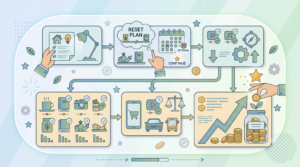
Many no-spend challenges fail because people treat one unplanned purchase as total failure.
For example, someone may avoid spending for six days, order one meal on the seventh day, and decide the entire challenge was pointless. That reaction can lead to several more days of spending because the original goal feels lost.
A better approach is to treat the challenge as a learning exercise.
Ask:
- What caused the purchase?
- Was I tired, hungry, bored, or stressed?
- Did I have a convenient alternative?
- Was the rule too strict?
- Was the expense actually necessary?
- What system could prevent this next time?
A successful challenge is not necessarily one with zero optional spending. It may be one that helps you discover your triggers and creates a better plan.
This approach also connects to how to stop impulse spending. Long-term improvement usually comes from changing the environment and creating pauses, not from demanding perfect self-control.
Common No-Spend Challenge Mistakes
Making the Rules Too Extreme
Rules such as “I will buy absolutely nothing” are usually unrealistic. Bills, food, transportation, and unexpected responsibilities still exist.
Define “no spend” as no spending in selected nonessential categories.
Starting Without Planning Meals
If you do not plan food, hunger and exhaustion may push you toward expensive choices.
Prepare simple meals and keep backup ingredients available.
Forgetting Planned Expenses
Birthdays, school costs, appointments, travel, and annual bills should be considered before the challenge begins.
Replacing One Shopping Habit With Another
Some people stop buying clothes but spend more on food delivery, digital products, or entertainment. Track total spending, not only one category.
Using Credit to Avoid Spending Cash
A purchase is still spending if it goes on a credit card or buy-now-pay-later plan. Do not use debt to create the appearance of a successful challenge.
Spending All the Saved Money Immediately Afterward
Avoid treating the end of the challenge as permission to spend everything at once. Decide in advance how the saved money will be used.
Ignoring the Reason Behind the Spending
If spending is connected to stress, loneliness, boredom, or social pressure, simply banning purchases may not solve the underlying pattern.
Assuming Everyone Should Follow the Same Rules
A no-spend challenge for a single student may look different from one for a family, homeowner, or person with medical expenses.
A Realistic No-Spend Month Example
Imagine someone spends the following each month on optional categories:
| Category | Normal Monthly Spending |
|---|---|
| Restaurant meals and delivery | $220 |
| Coffee and convenience drinks | $75 |
| Online shopping | $150 |
| Entertainment purchases | $80 |
| Clothing and accessories | $100 |
| Total | $625 |
For a no-spend month, the person decides to:
- Cook at home except for one previously planned event
- Make coffee at home on weekdays
- Remove shopping apps
- Use free entertainment
- Delay clothing purchases
- Keep a $50 exception budget for a genuine unexpected need
The person does not necessarily save the full $625 because some essential or planned spending still occurs. However, reducing optional spending by $450 would create meaningful room for a financial goal.
The person then divides the savings:
- $250 toward credit card debt
- $150 toward an emergency fund
- $50 toward a planned future expense
The value of the challenge is not only the amount saved. The person also learns that online shopping and delivery were the largest spending triggers, which can guide future habits.
What to Do After the Challenge Ends
The purpose of a no-spend challenge is not to return to the exact habits that caused financial stress.
At the end, review:
- How much did you spend?
- How much did you avoid spending?
- Which categories were hardest?
- Which rules were unrealistic?
- Which activities replaced shopping?
- Which purchases did you not miss?
- Which purchases still felt worthwhile?
- What habit should continue?
You may decide to keep some permanent changes, such as:
- One restaurant meal per week
- No shopping apps on your phone
- A 48-hour waiting period
- One subscription rotation
- A monthly personal spending limit
- One planned no-spend weekend each month
- Automatic transfers toward savings
Use the challenge as information rather than punishment.
Frequently Asked Questions
What is a no-spend challenge?
A no-spend challenge is a planned period when you avoid selected nonessential purchases while continuing to pay for necessary expenses such as housing, food, utilities, transportation, medication, and bills.
How long should a no-spend challenge last?
Beginners may start with one day, a weekend, or one week. A full month can create a stronger reset but requires more planning for food, social events, and known expenses.
Can I buy groceries during a no-spend month?
Yes. Basic groceries are generally considered an essential expense. You can still reduce food spending by planning meals, using existing ingredients, avoiding waste, and limiting convenience purchases.
What if I need to make an unexpected purchase?
Health, safety, work, school, and necessary household expenses should take priority. An essential exception does not mean the challenge failed. Record the purchase and continue with the plan.
Can a no-spend challenge help pay off debt?
It can create extra money that may be directed toward debt repayment. However, avoid using a challenge as a replacement for a complete debt plan. Continue making required payments and understand the interest costs.
Is a no-spend challenge healthy?
For many people, a short and realistic challenge can improve spending awareness. It should not involve skipping food, medication, necessary care, or essential responsibilities. If spending restrictions cause significant distress, use a gentler budgeting approach.
What should I do with the money I save?
Move it toward a specific goal, such as an emergency fund, debt repayment, annual bill, education expense, or planned purchase. Giving the money a purpose helps prevent it from being spent elsewhere.
What happens if I break the rules?
Review what happened, identify the trigger, and continue. One purchase does not erase the progress you made. A useful challenge teaches you how your spending behavior works.
Key Takeaways
- A no-spend challenge temporarily reduces selected nonessential purchases.
- It does not mean refusing necessary food, medication, housing, transportation, or bills.
- Start with a short challenge if you are new to the idea.
- Create clear rules before beginning, including permitted expenses and exceptions.
- Plan meals, free activities, and social situations in advance.
- Remove shopping triggers such as promotional emails, retail apps, and saved payment details.
- Track avoided purchases so you can see how much money the challenge may be saving.
- Do not use credit to create the appearance of reduced spending.
- One mistake does not mean the challenge failed.
- Use the challenge to identify long-term habits worth keeping.
- The process works especially well with frugal living strategies, grocery-saving habits, and the spending-awareness framework in needs versus wants.
- Readers who want to reduce recurring expenses can also review how to lower monthly bills.
A no-spend challenge is not meant to prove that you can live without spending forever. It is a temporary pause that helps you see your habits more clearly.
The most useful result may not be the money saved during one week or one month. It may be discovering which purchases do not add much value, which situations trigger unnecessary spending, and which simple alternatives can work better.
Start with a realistic period, make the rules clear, and give the saved money a purpose. The challenge will be easier to complete when it is connected to something you genuinely want to achieve.
This article is for informational purposes only and is not financial advice.